
Container Stuffing Services
Cargo is loaded and secured inside standard and high-cube containers for export or domestic transport.
Atlantic Heavy Loaders loads, stuffs, and destuffs containers and flat racks for heavy equipment, machinery, and breakbulk cargo headed for export or domestic transport. Every container loading services project is scoped to the cargo's dimensions, weight, and destination – standard, open top, or flat rack – so loading is matched to the actual shipping method, not handled the same way every time.
Every container stuffing services project is planned around cargo dimensions and weight distribution before loading begins.
Cargo moves directly between trucks, containers, and flat racks through our cross-docking services, without unnecessary storage delay.
Cargo is blocked, braced, and secured inside containers and flat racks to prevent shifting in transit.
No subcontractor handoffs between staging, loading, and dispatch.
Not all cargo fits a standard container. Some loads need open-top container loading to clear height limits; others require flat rack loading or breakbulk cargo handling because they can't be containerized at all. Atlantic Heavy Loaders scopes every container loading services project against the cargo's actual dimensions and the transport method it's headed for, so equipment isn't forced into a container it doesn't fit – or loaded onto a flat rack it doesn't need.
Cross-docking reduces unnecessary storage when inbound and outbound equipment are available within the same handling window.
Transloading is required when machinery or cargo moves between trucks, trailers, containers, or other equipment types.
Open top or flat rack equipment may be required for overheight, overwidth, or irregular cargo.
Heavy items must be positioned and restrained according to their weight, geometry, and transport configuration.
Loading services scoped to cargo type, container format, and destination handling requirements.
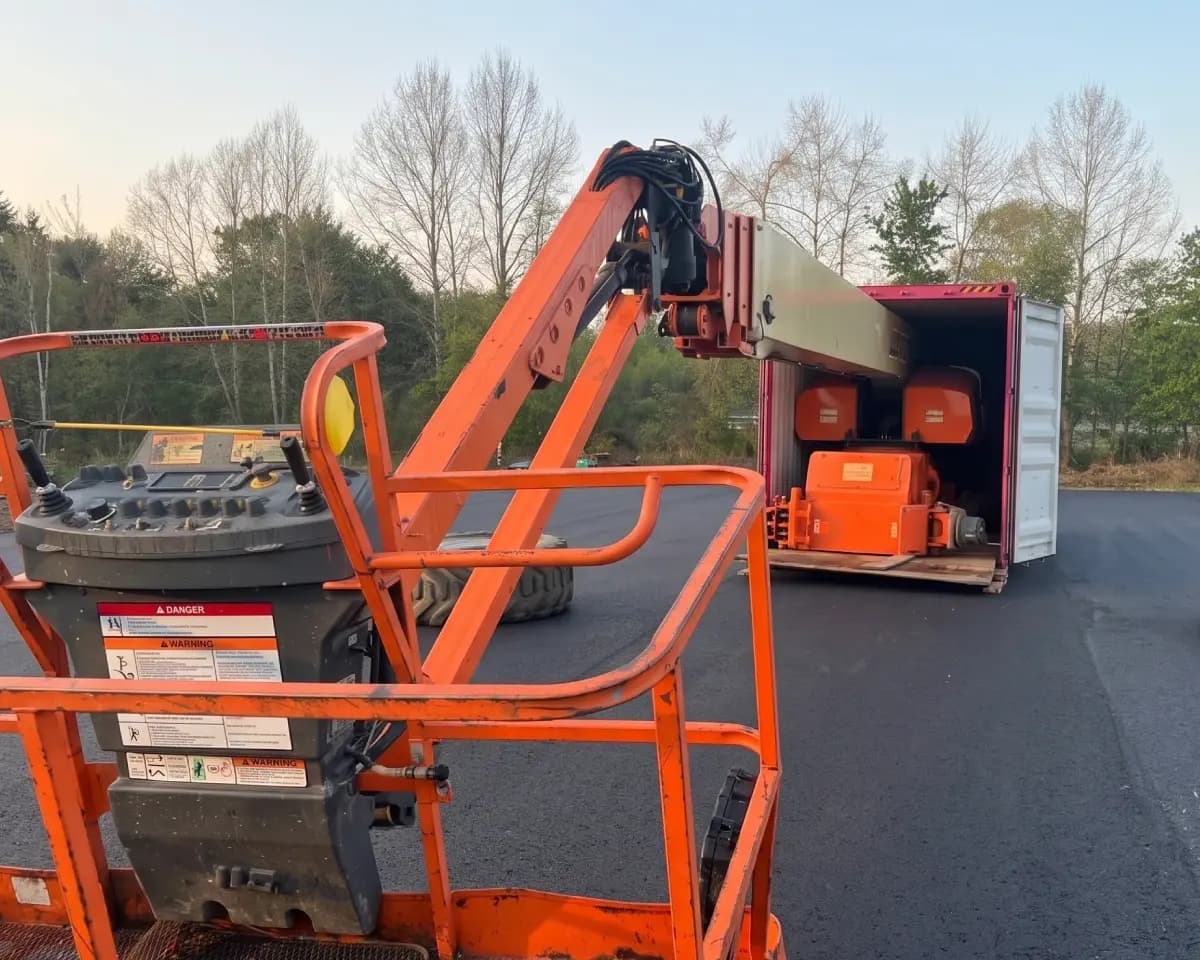
Cargo is loaded and secured inside standard and high-cube containers for export or domestic transport.
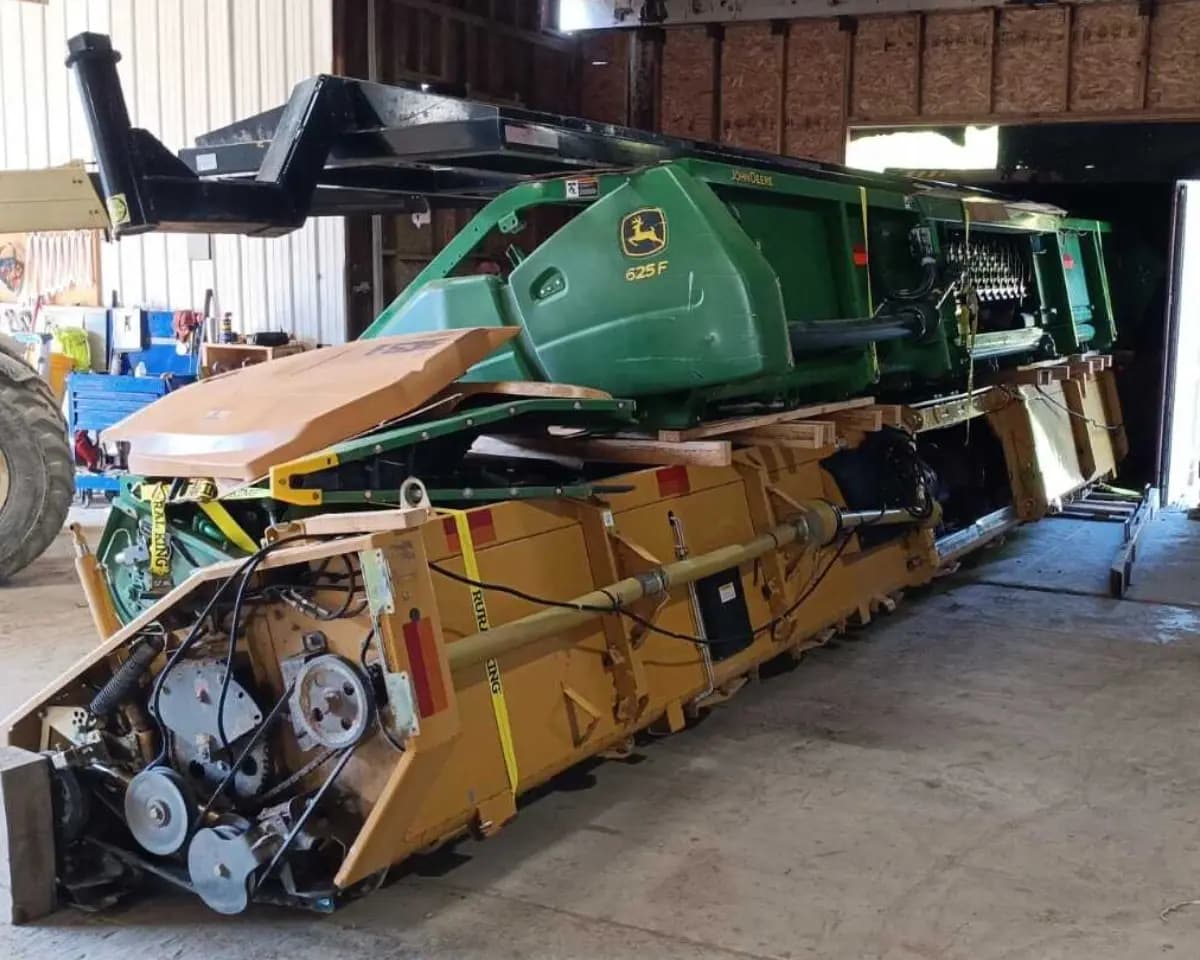
Containers are unloaded and cargo inspected, organized, and staged on arrival.
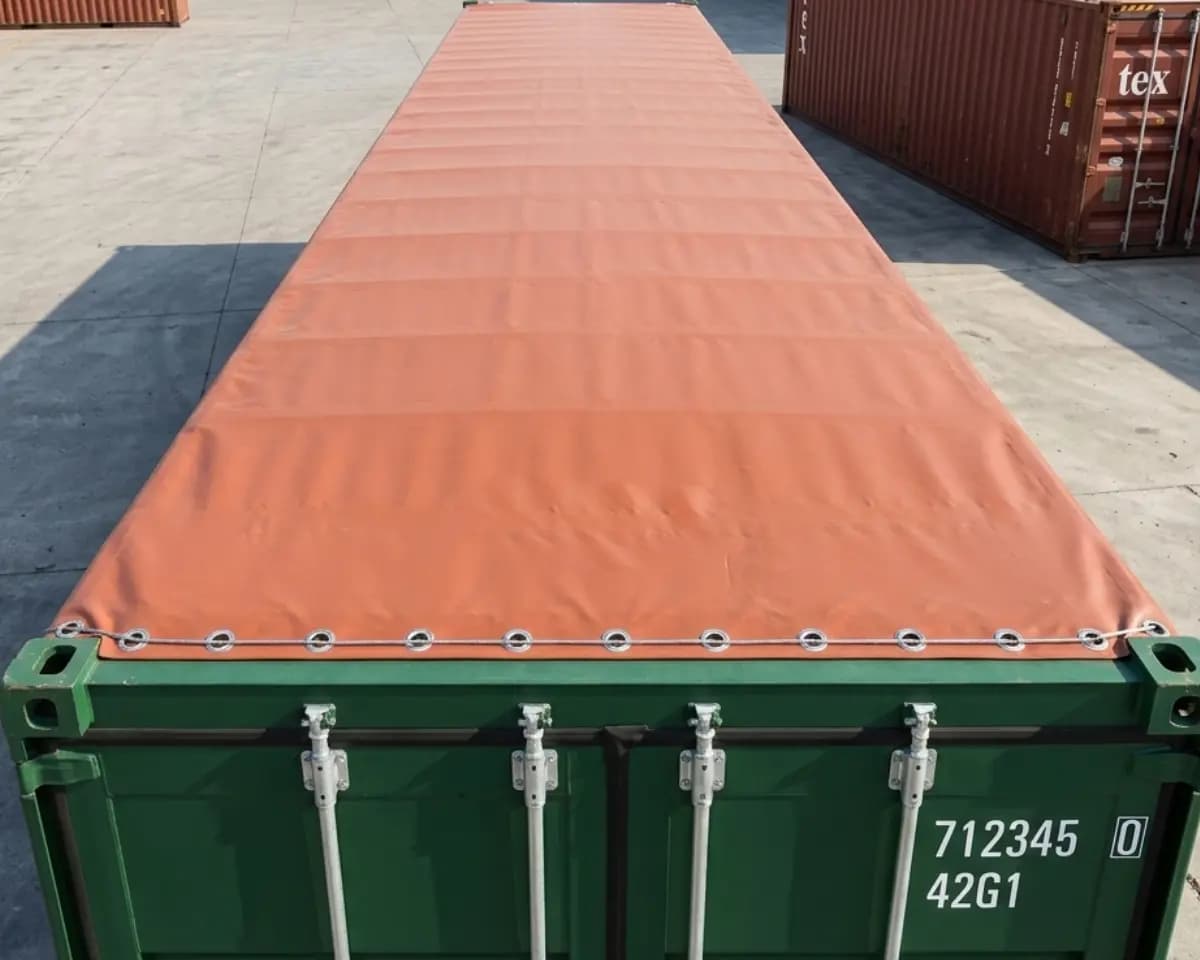
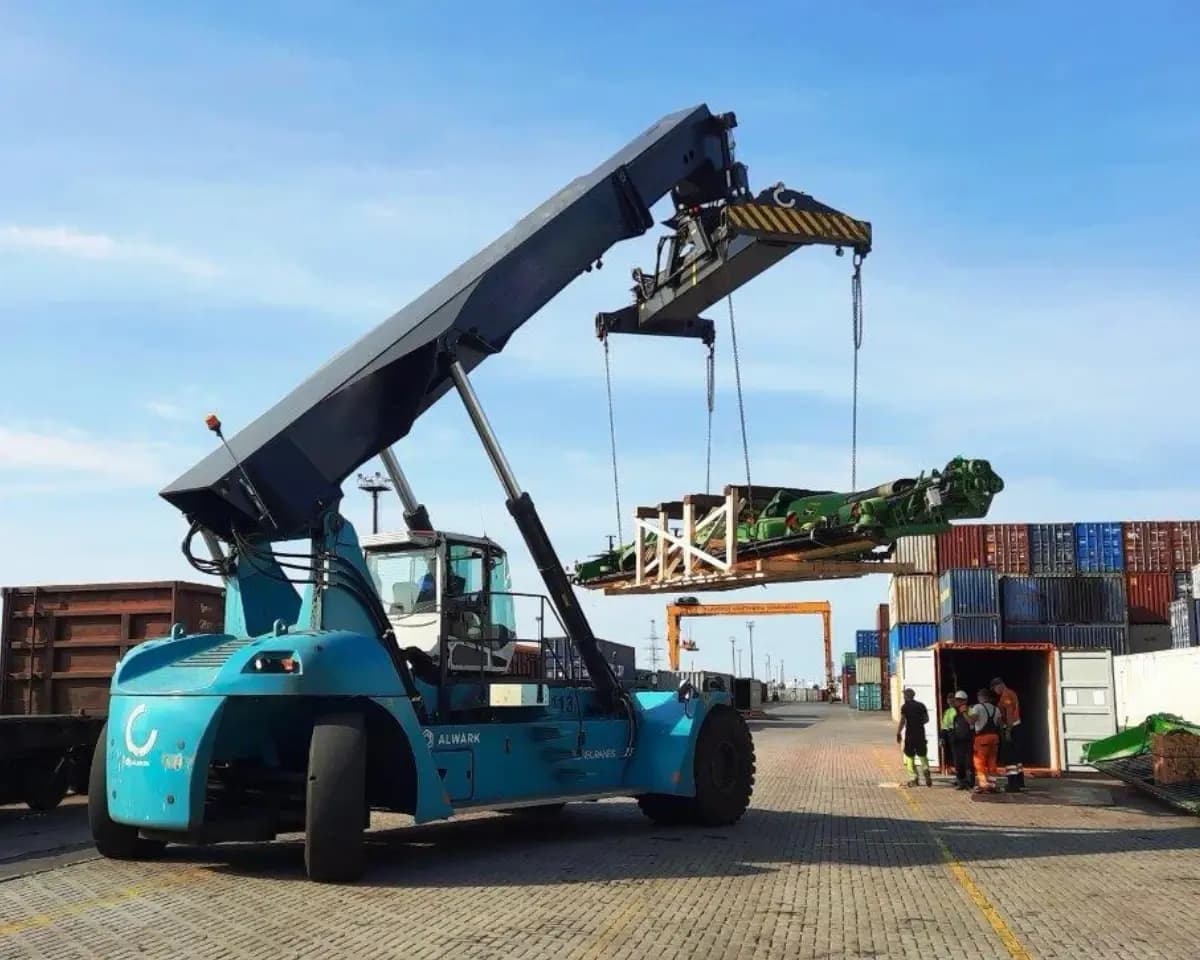
Oversized cargo is craned in from above when it exceeds standard container height limits.
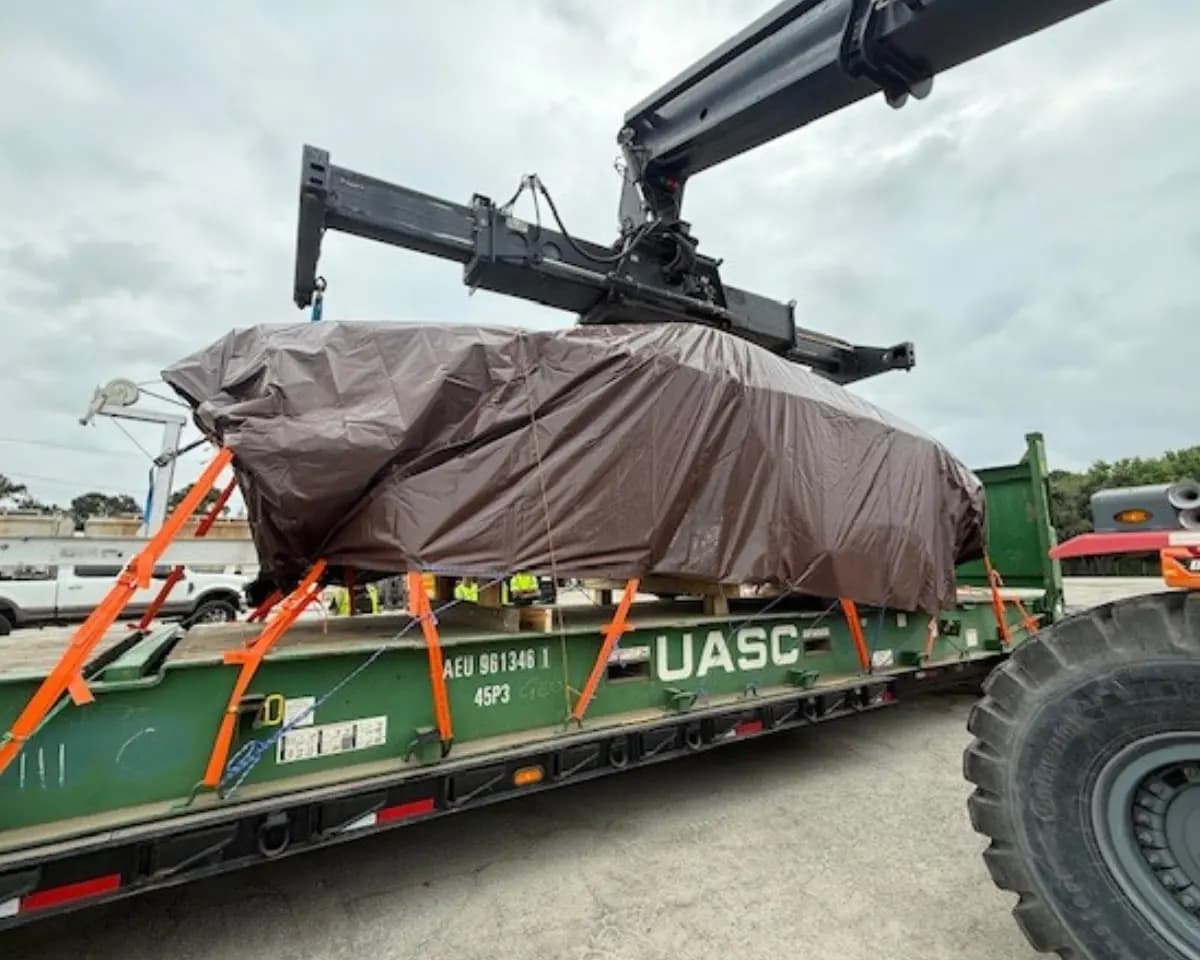
Cargo too large or irregular for a container is loaded and secured onto flat rack platforms.
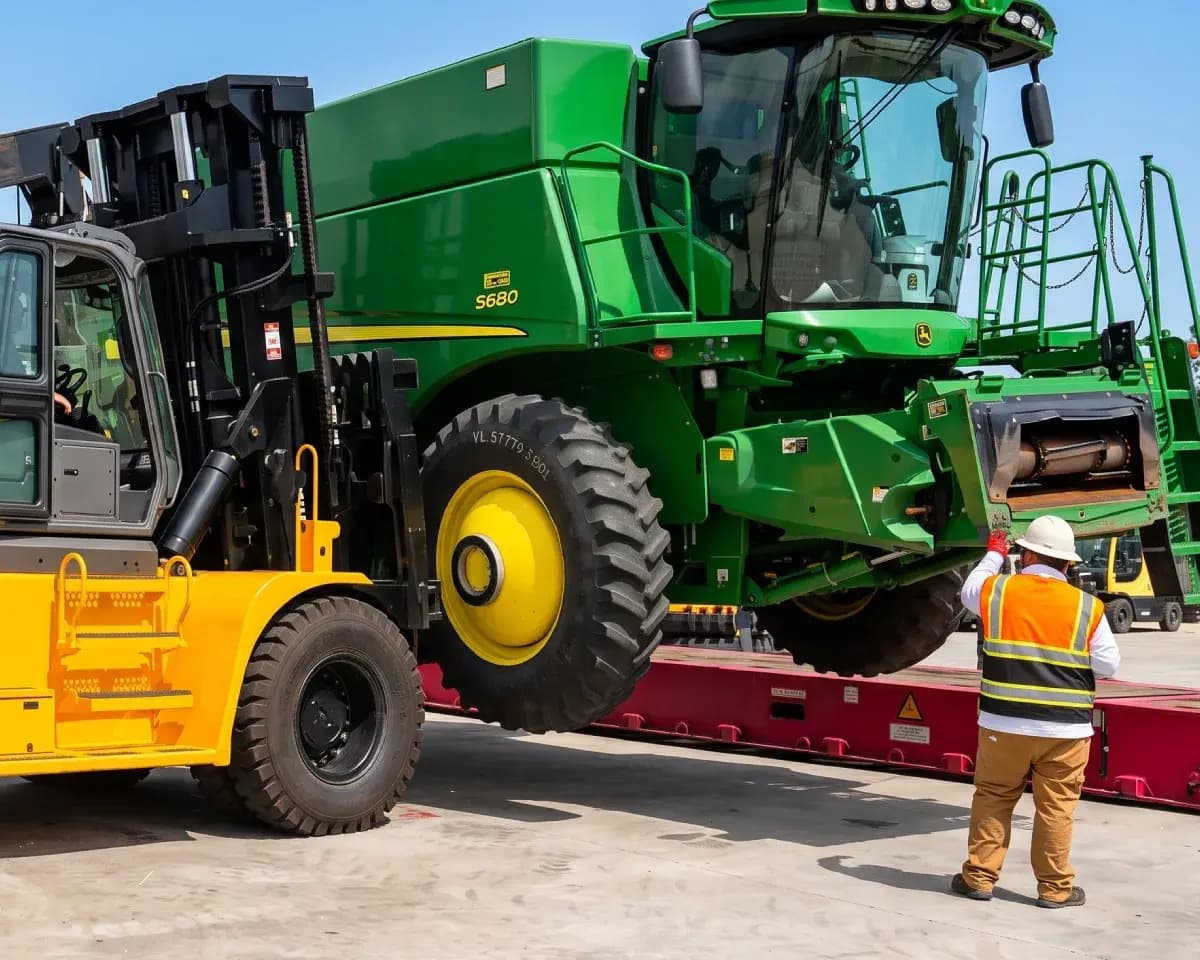
Cargo moves directly from inbound trucks to outbound containers or trailers without intermediate storage.
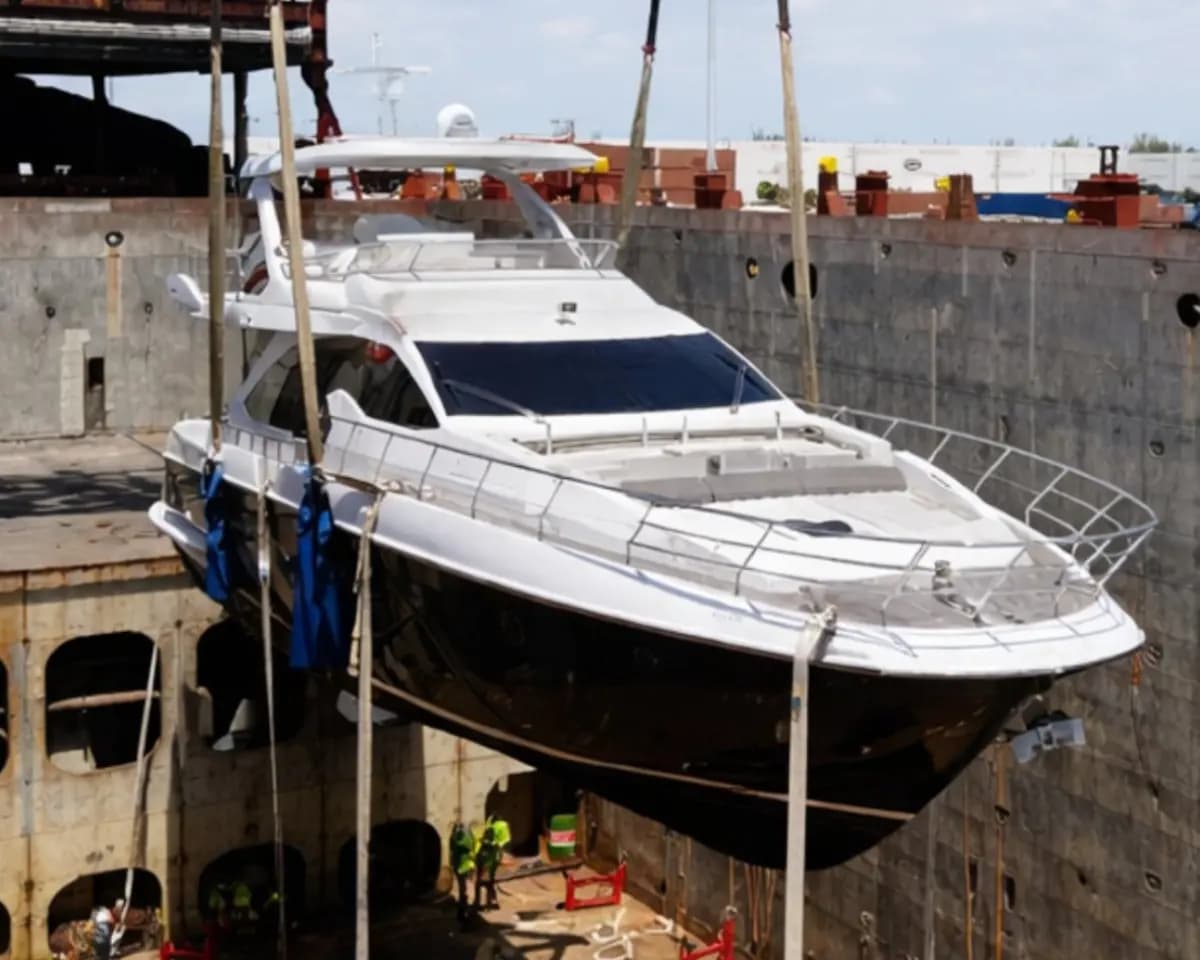
Non-containerized cargo is staged, wrapped, and loaded individually for vessel loading.
Cargo dimensions, weight, and destination requirements are confirmed before scheduling.
Container, open top, or flat rack method is selected based on confirmed cargo specs.
Cargo is transferred directly between trucks, containers, and flat racks as needed.
Cargo is loaded, blocked, and braced to prevent movement in transit.
Loaded containers and flat racks are staged for carrier pickup or vessel booking.
Cargo loaded within standard or high-cube container dimensions.
Cargo craned in from above when it exceeds standard container height.
Cargo loaded onto flat racks when it can't be containerized.
Cargo transferred directly between transport modes without storage delay.
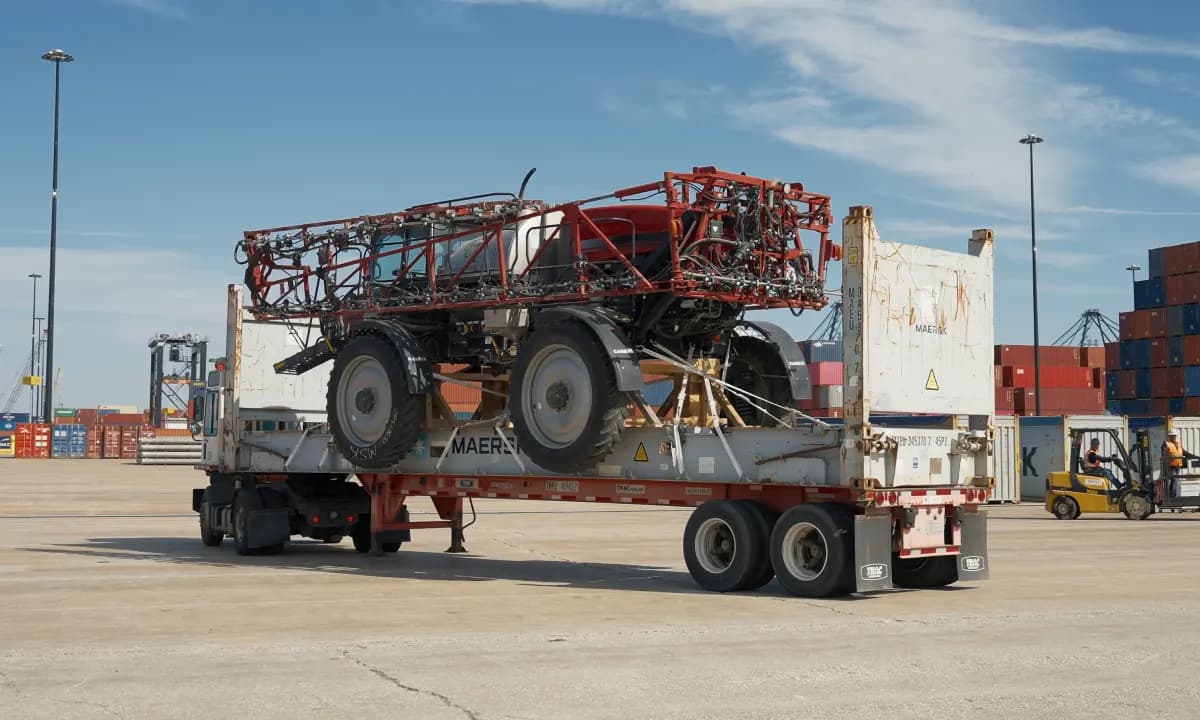
Larger, heavier cargo requires more rigging, bracing materials, and specialized loading equipment, which affects overall project cost.
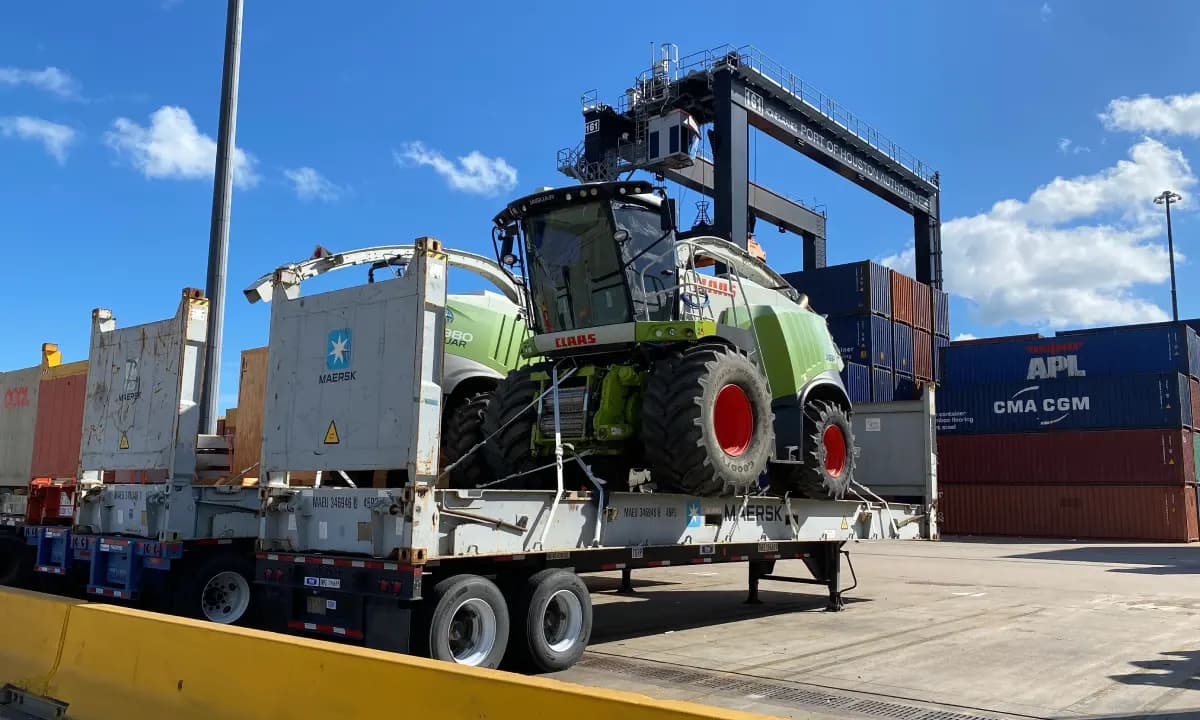
Export container loading generally costs less than open top or flat rack loading, which require cranes and additional securing work.
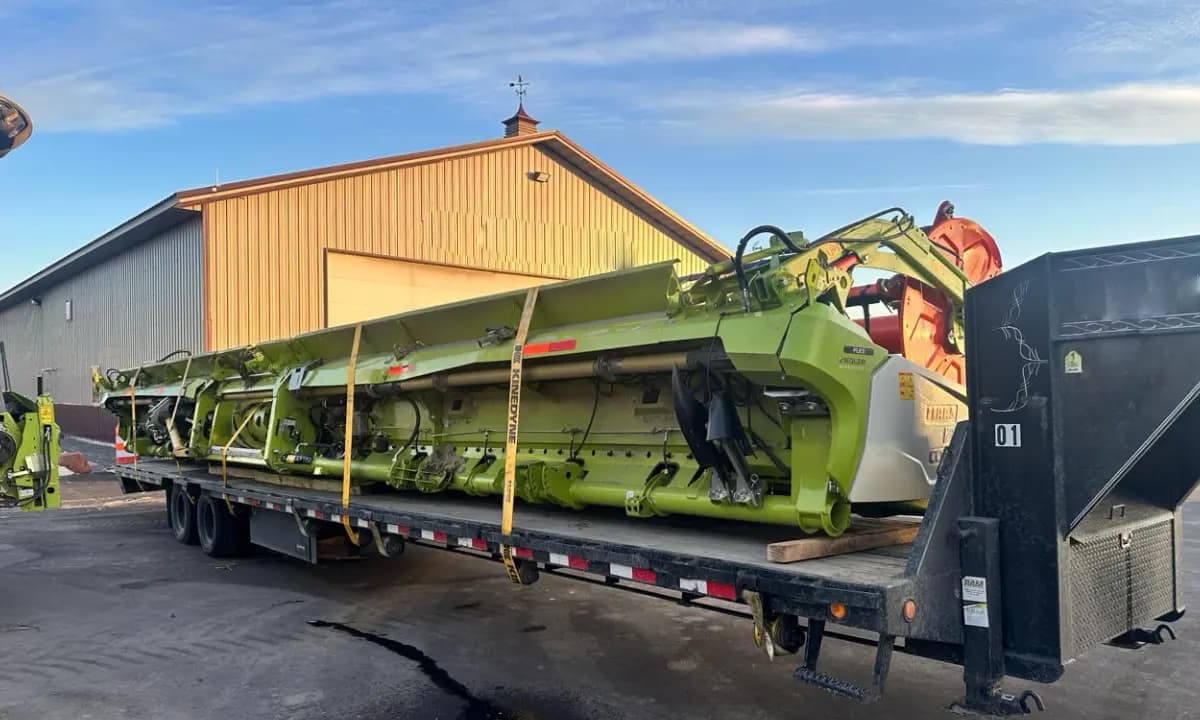
Cross docking services can reduce cost by avoiding storage fees, but require tighter scheduling coordination between inbound and outbound transport.
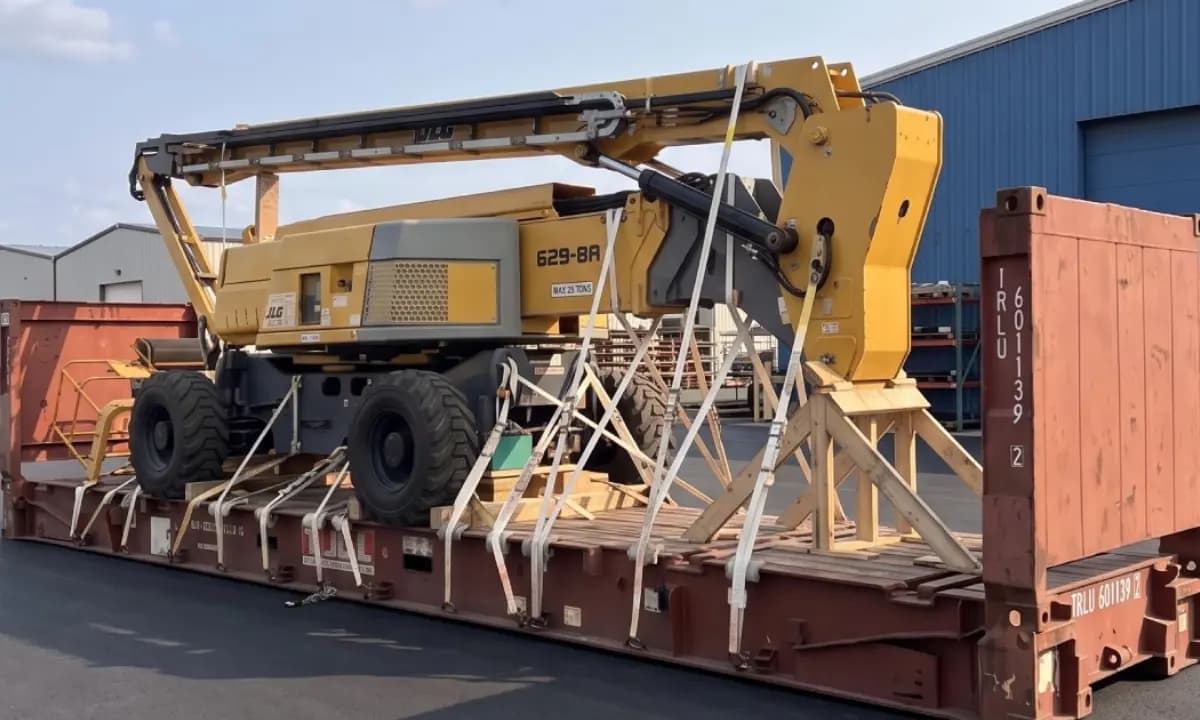
Dunnage, strapping, and blocking materials vary based on cargo type, container stuffing services requirements, and the transit method.
Share these details and we'll come back with a loading plan, method, and pricing.
Number of pieces and description of each item
Per piece and total shipment weight
Container, flat rack, open top, trailer, or breakbulk
Arrival, cutoff, carrier pickup, or vessel schedule
A short first step — photos and technical files can be requested after submission.
Cargo is received and staged at our Houston operations hub before loading begins – whether it's arriving from a seller, auction, dealer, or carrier. Once loading is complete, containers and flat racks move directly into export documentation, storage, or carrier pickup – without re-engaging separate contractors.
Inbound cargo is logged and inspected on arrival from sellers, auctions, dealers, or carriers.
Cargo and containers stay staged on-site for the full duration of the project.
Projects move directly from loading into storage, export packing, or dispatch – no handoffs.
Atlantic Heavy Loaders coordinates container and cargo loading projects beyond Houston as well.
See what actually happens – from cleaning to loading.
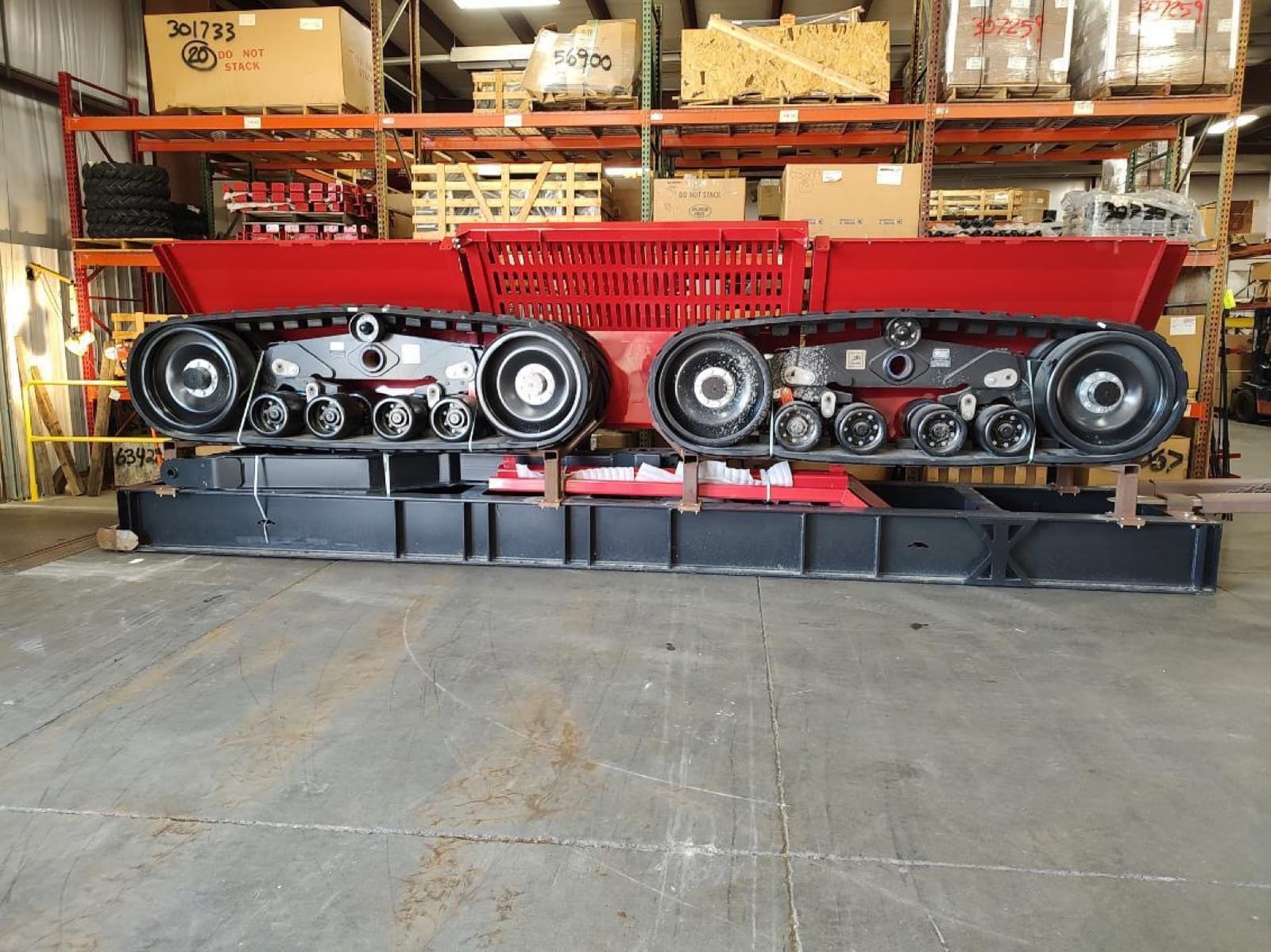
Track undercarriage, main frame, and internal conveyor section separated, protected, and staged in sequence for a full container export load.
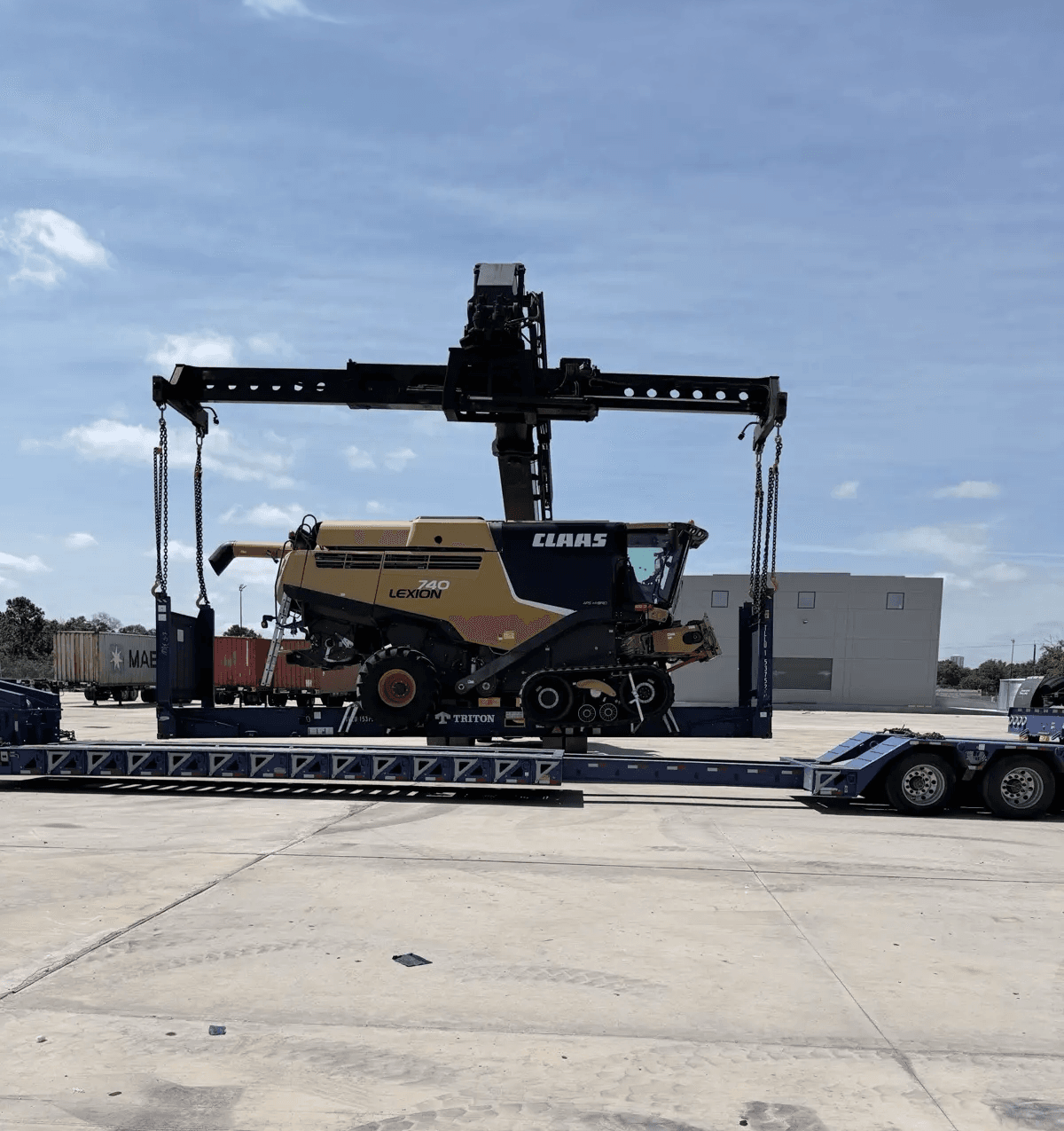
A tracked CLAAS Lexion 740 combine rigged, lifted by reach stacker, and set onto a 40-foot flat-rack container for export.
Full hot-water pressure wash of a John Deere wheel loader with a Martin quick-attach front end — tires, undercarriage, and linkage cleared of soil ahead of inspection.
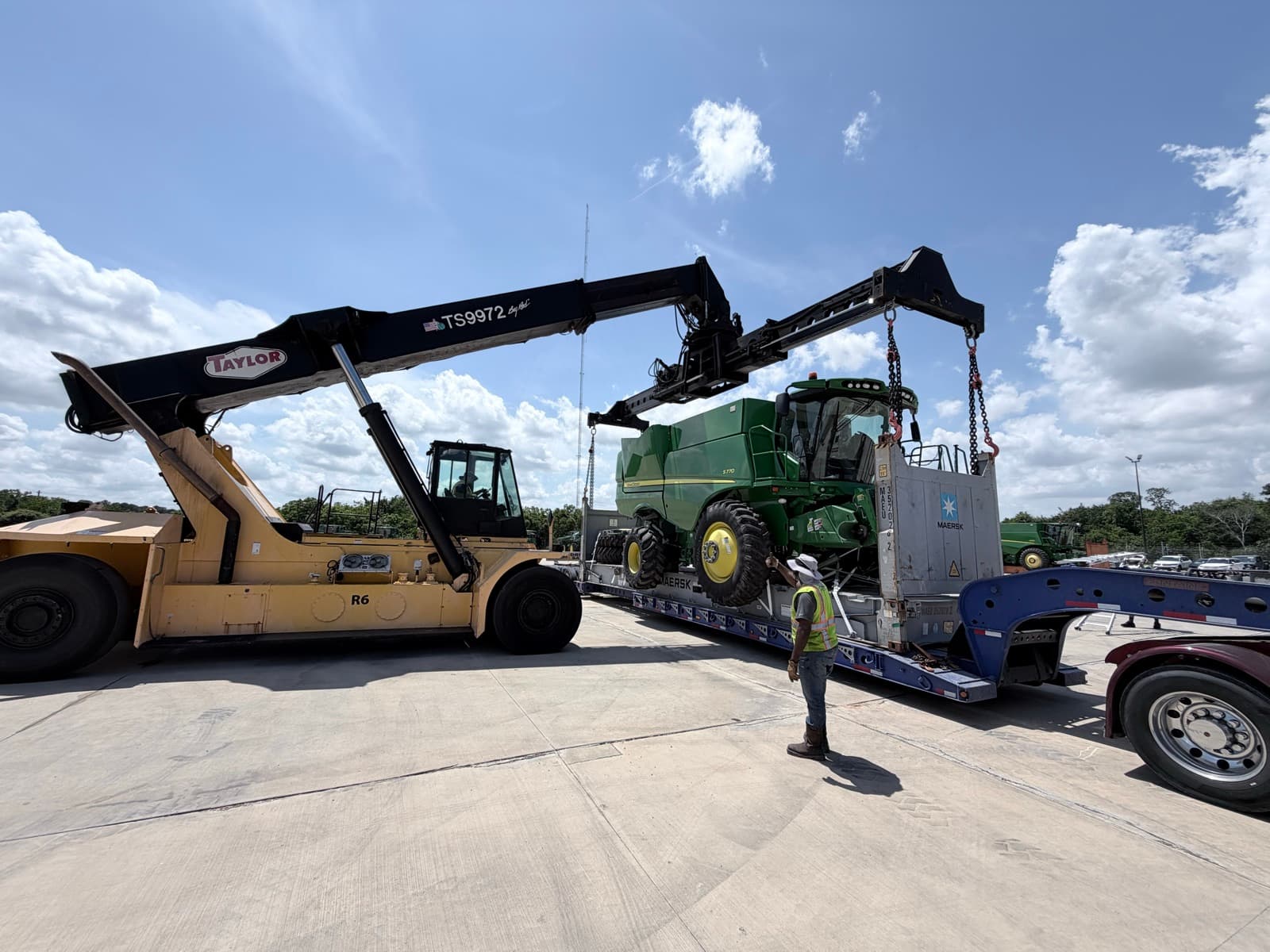
A wheeled John Deere S770 combine rigged on chains, lifted clear of its trailer by reach stacker, and set onto a 40-foot flat-rack container for export.
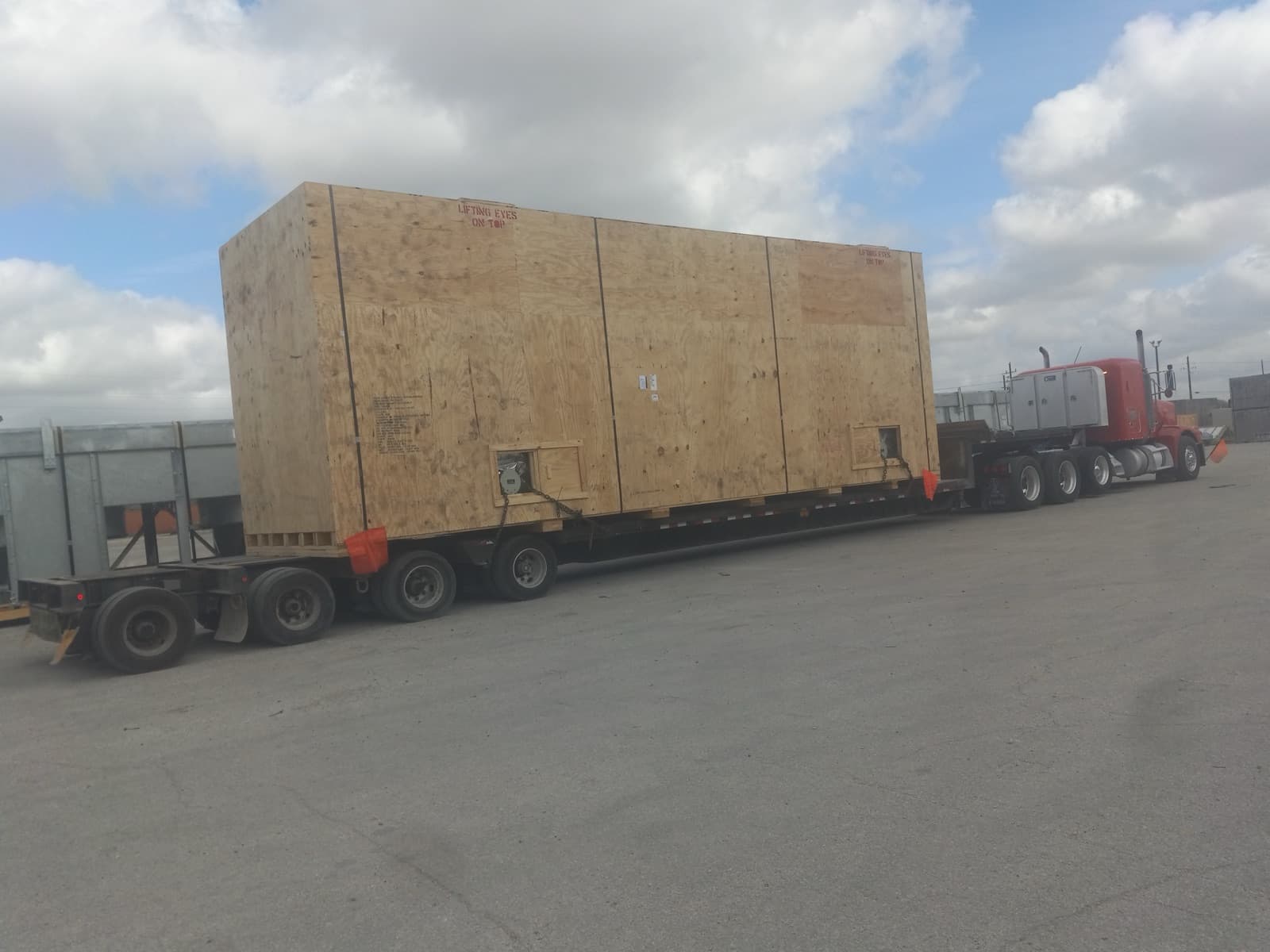
A multi-crate turbine-driven compressor package built into oversized export crates, stenciled for handling, and staged on spread-axle flatbeds for the next leg of transport.
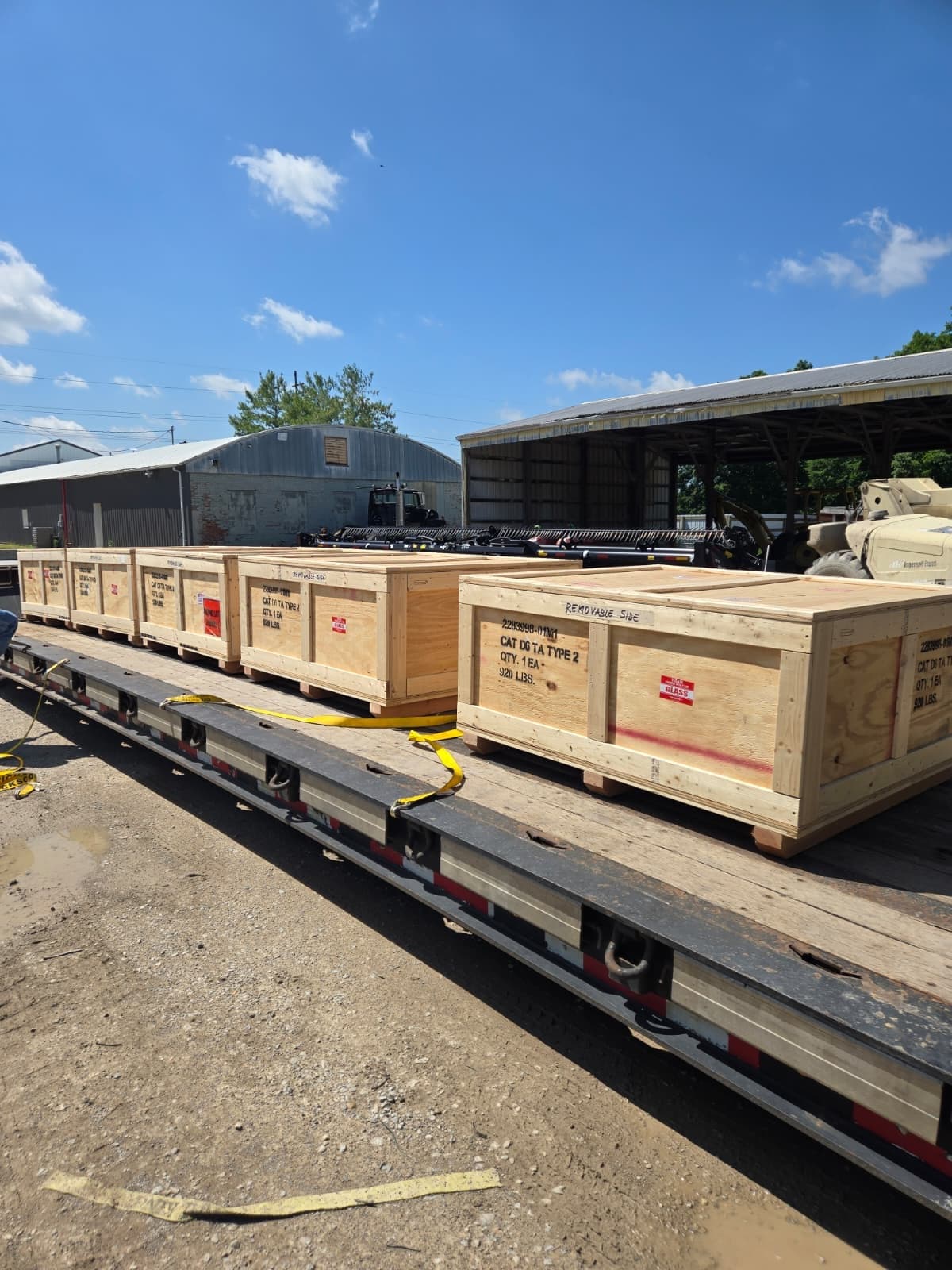
A full set of dozer track assemblies individually crated, labeled, and palletized, then staged on a flatbed trailer for pickup.
Stuffing is loading cargo into a container; destuffing is unloading it. Atlantic Heavy Loaders provides both container stuffing services and container destuffing services at our Houston hub.
Once your cargo is loaded and export-ready, Atlantic Project Cargo (APC) organizes the international transportation to get it where it needs to go.