
Custom Boat Cradle Fabrication
Cradles are engineered and built to the hull's exact shape and weight distribution.
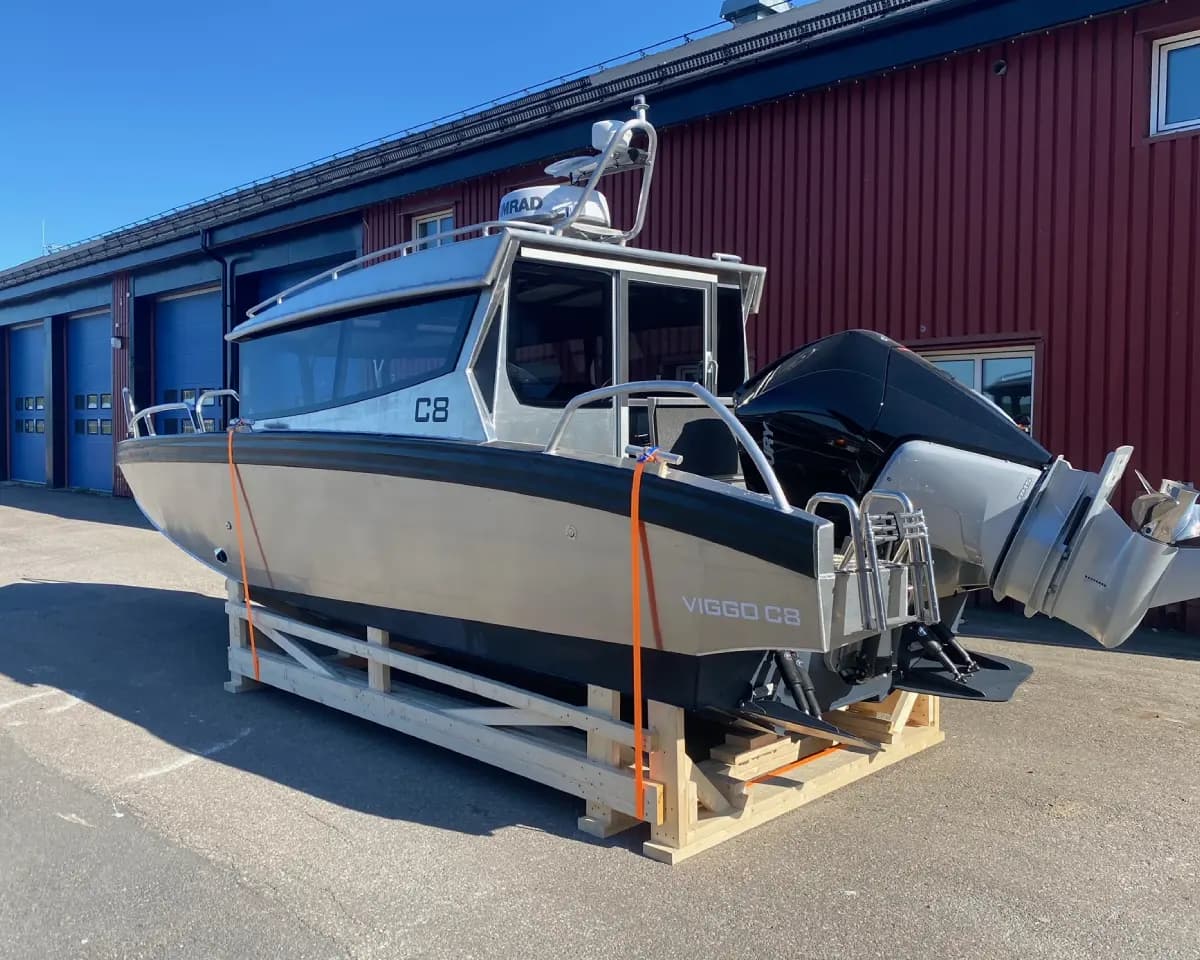
Atlantic Heavy Loaders builds custom cradles and crates, and shrink wraps boats and yachts ahead of international shipment. Every yacht export packing project is scoped to the hull shape, weight distribution, and destination handling conditions – not a generic pallet-and-wrap process – so the vessel is supported correctly at every point of contact from pickup through vessel loading.
Every custom boat cradle is built to the hull's exact shape and weight distribution, not a standard frame.
Yacht crating services use ISPM-15 certified lumber and export-grade construction.
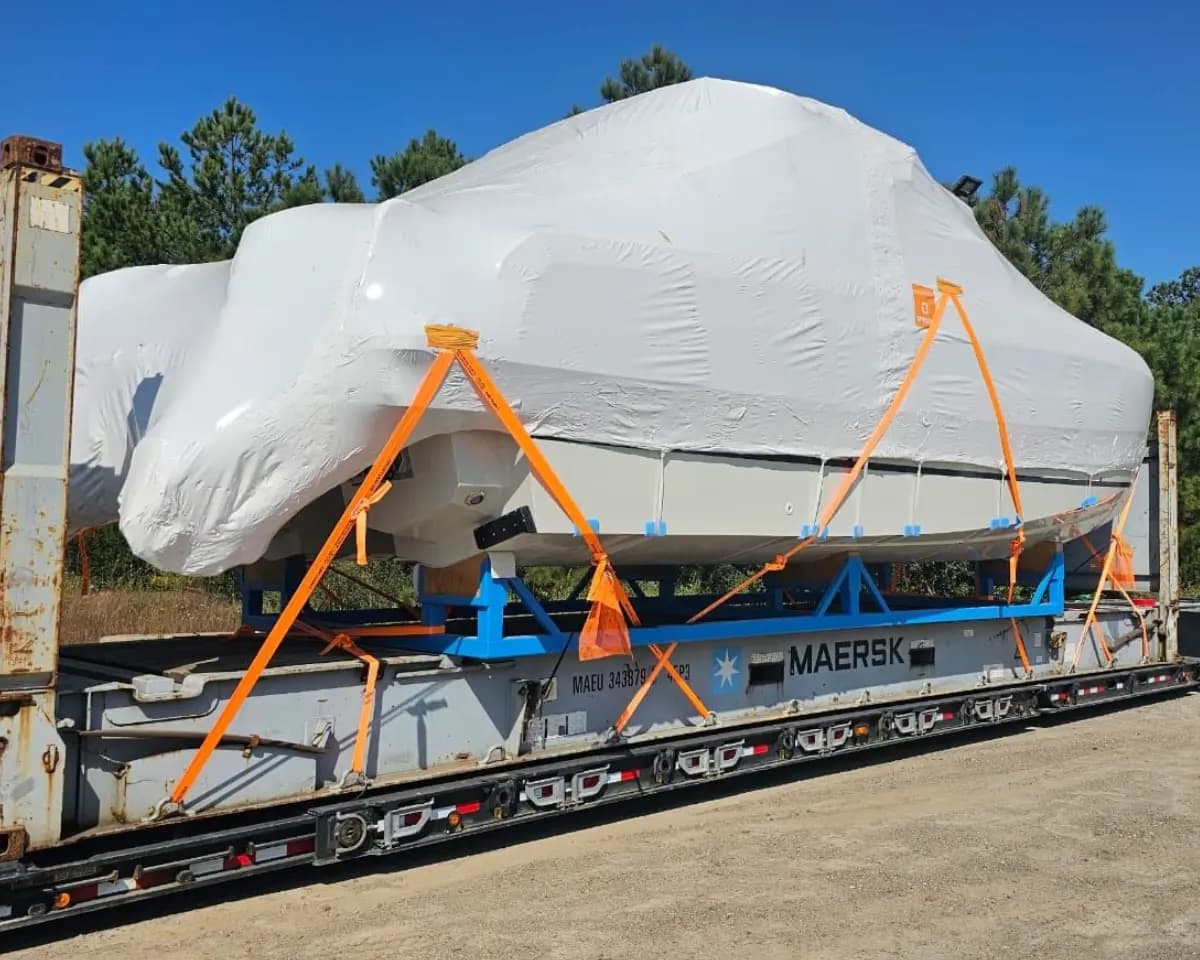
Yacht shrink wrap and boat shrink wrapping services protect against moisture, salt air, and UV exposure during transit.
No subcontractor handoffs between cradle building, crating, and loading.
Not every vessel needs the same support. Some boats only need boat shrink wrapping services and a standard pallet; others – especially deep-keel sailboats or asymmetrical hulls – need a fully engineered custom boat cradle to distribute weight correctly across multiple contact points. Atlantic Heavy Loaders scopes every yacht cradle fabrication project against the vessel's hull shape, weight, and center of gravity, so the cradle actually matches the boat it's built for.
Cradle fabrication, crating, and wrapping services scoped to the vessel's hull shape and the handling conditions of the destination.
Cradles are engineered and built to the hull's exact shape and weight distribution.
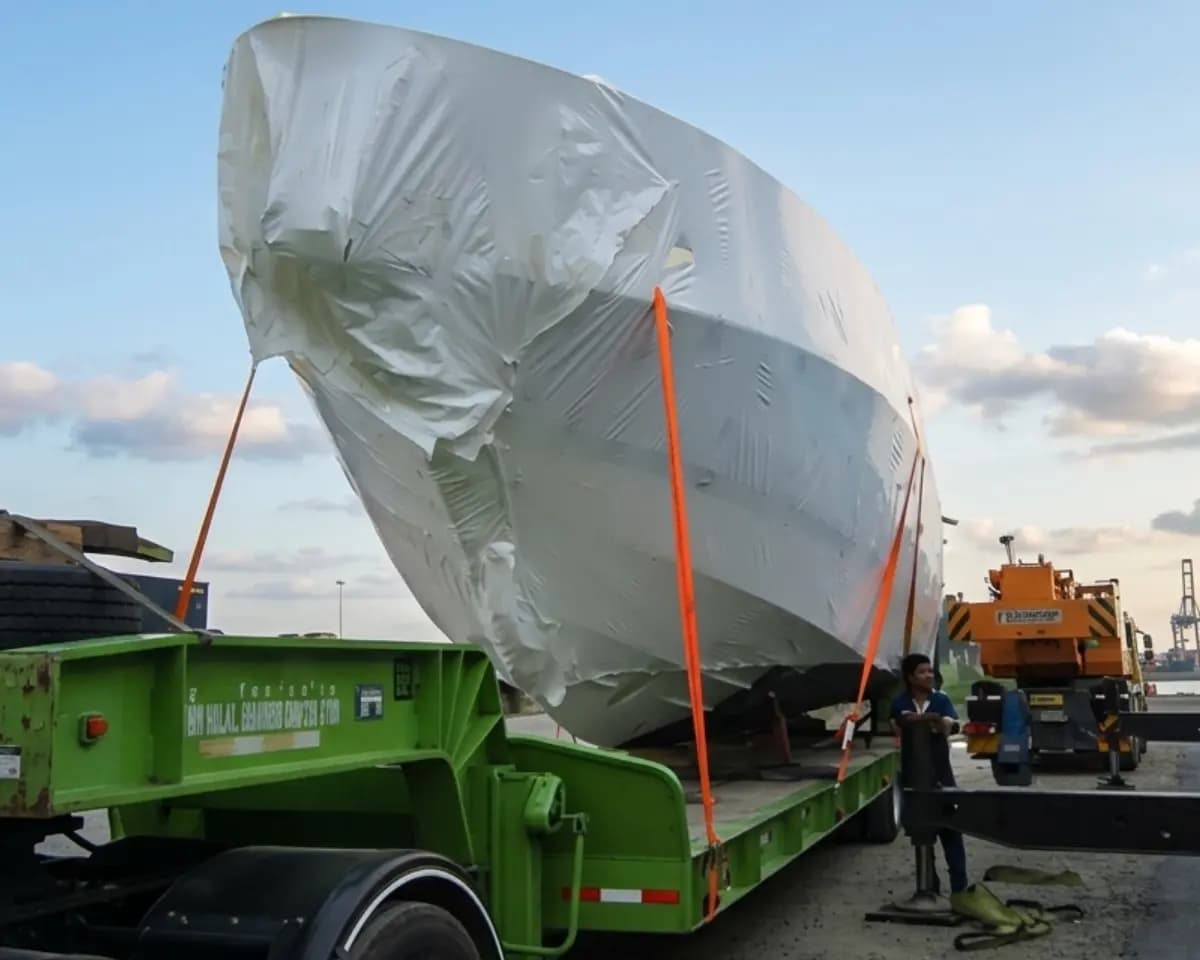
Larger vessels are supported on multi-point cradles built for ocean transit and repeated handling.
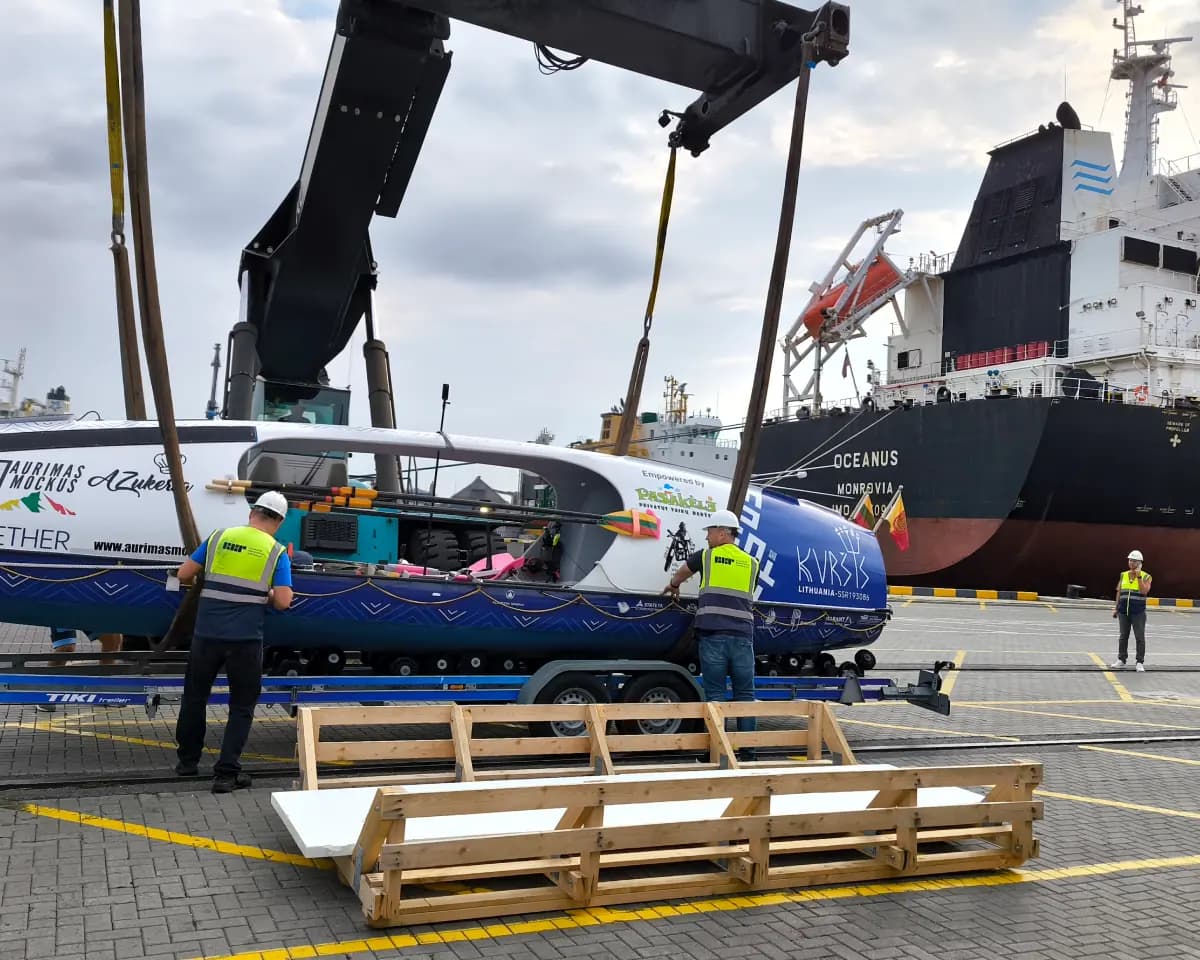
Smaller vessels and components are crated for container or flat-rack shipment.
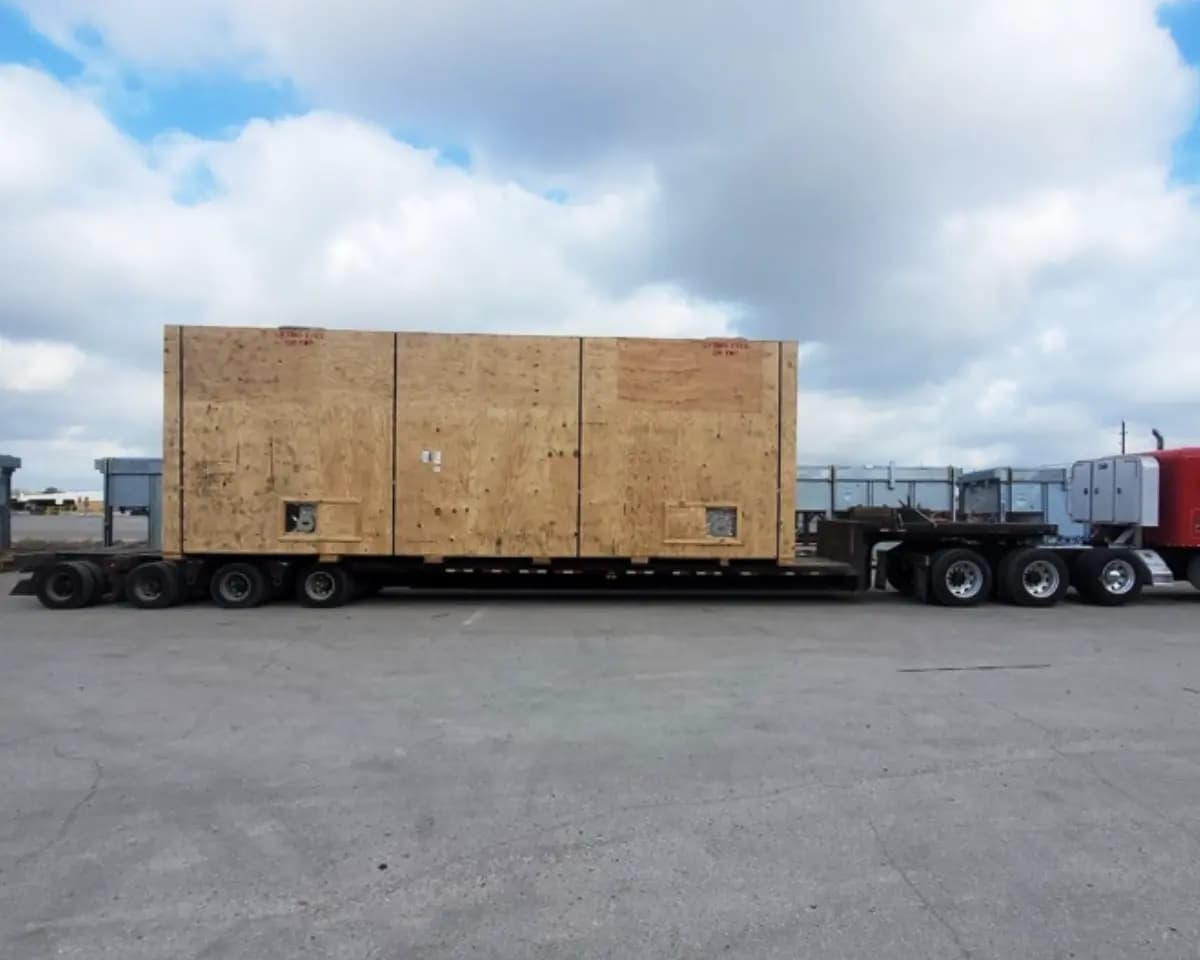
Larger yachts and superstructures are crated or framed for oversized transport.
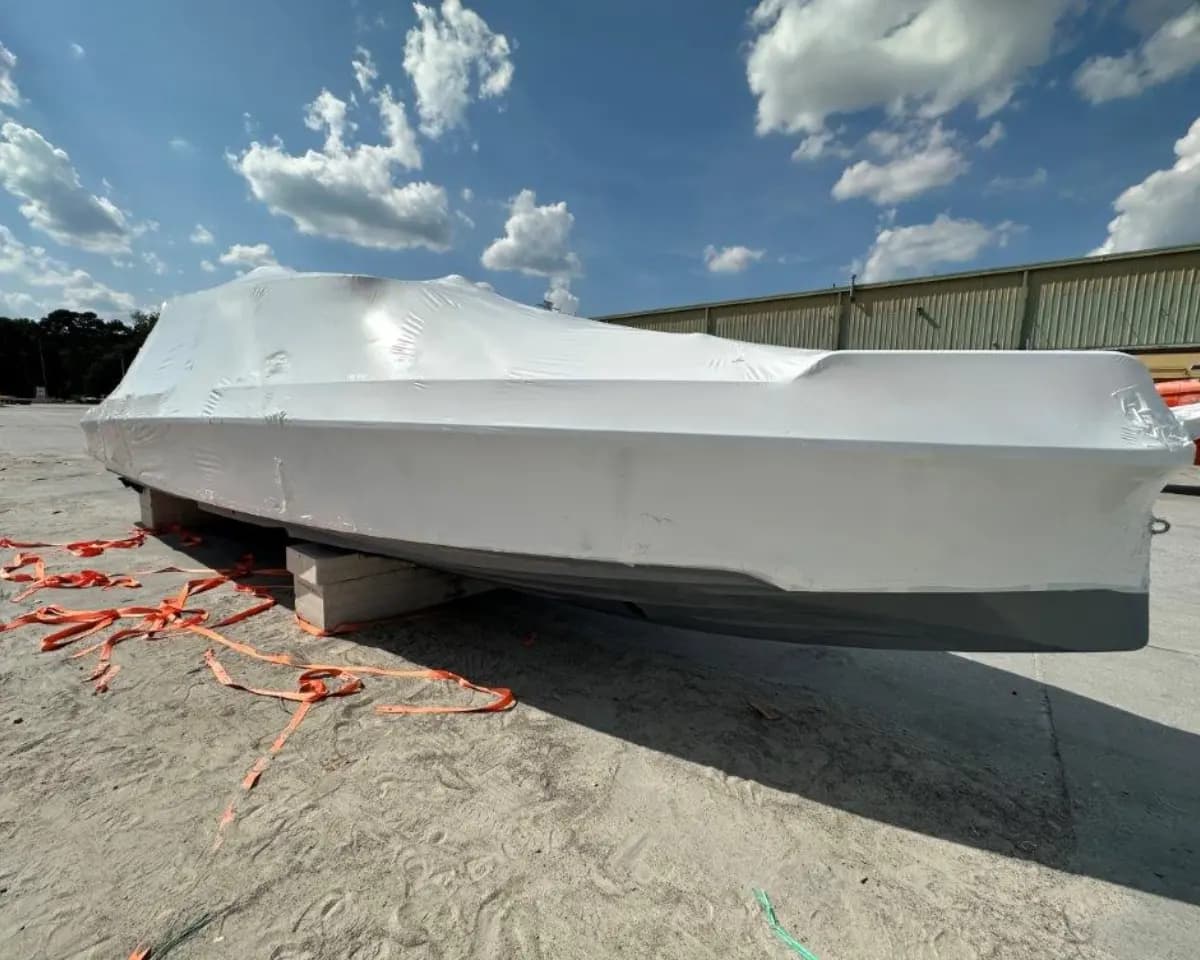
Hulls and superstructures are shrink wrapped to protect against moisture, salt air, and UV exposure.
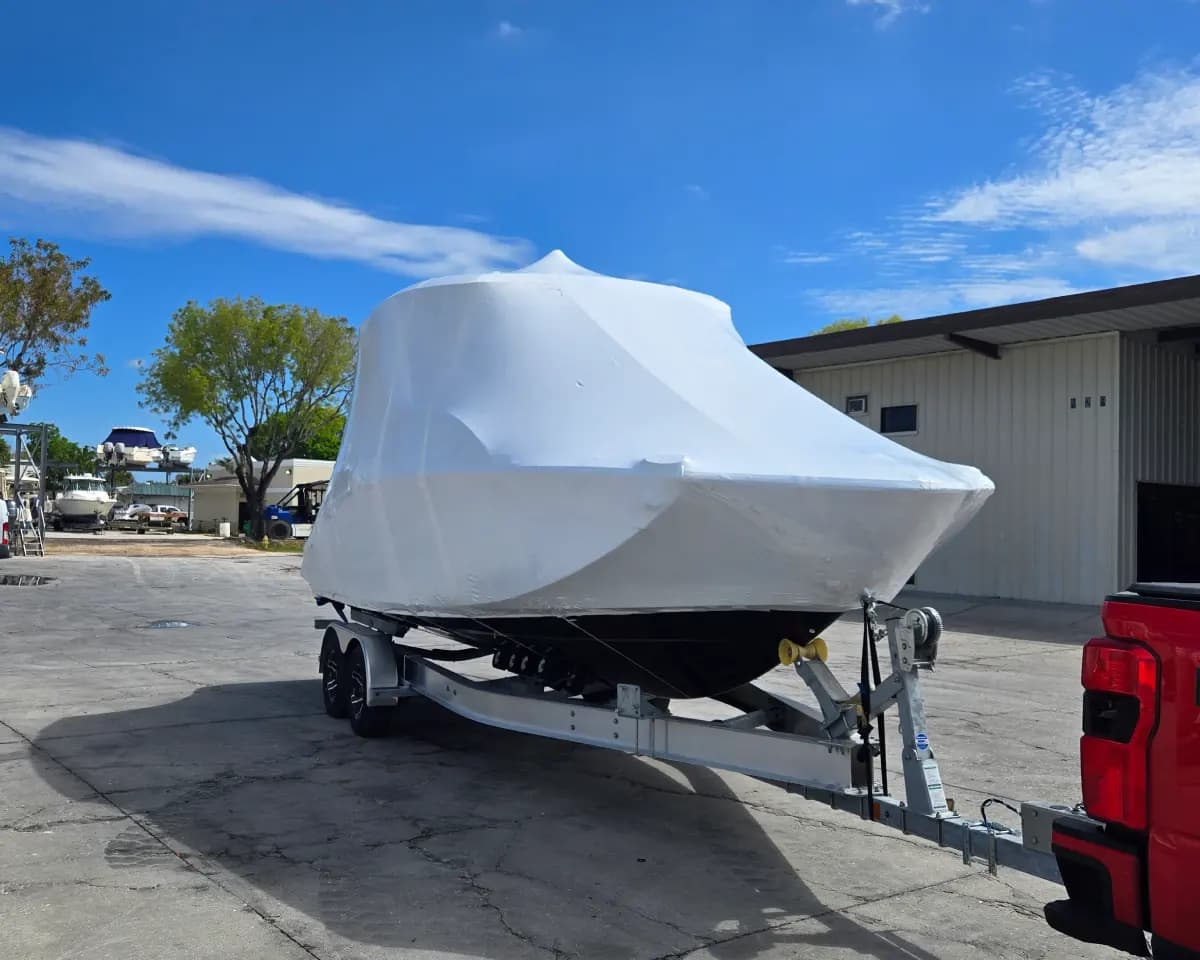
Smaller vessels are wrapped for protection during shorter transit or storage.
Hull dimensions, weight, and center of gravity are confirmed before cradle design.
A custom cradle or crating plan is engineered around the vessel's actual hull shape.
Cradles and crates are constructed and fitted to the vessel before packing begins.
Hulls are shrink wrapped and sealed against moisture, salt air, and UV exposure.
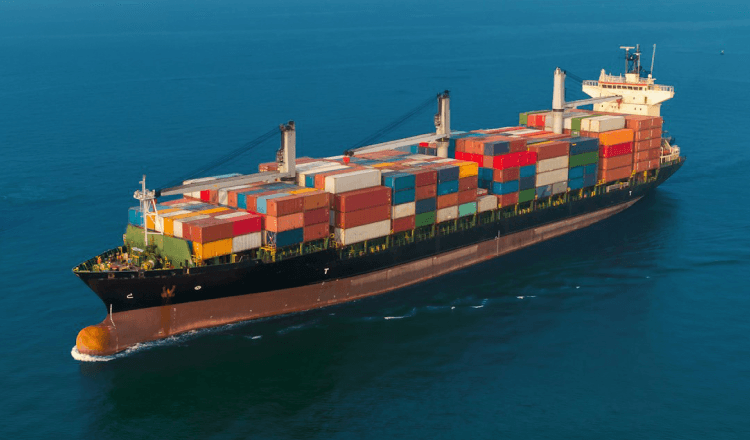
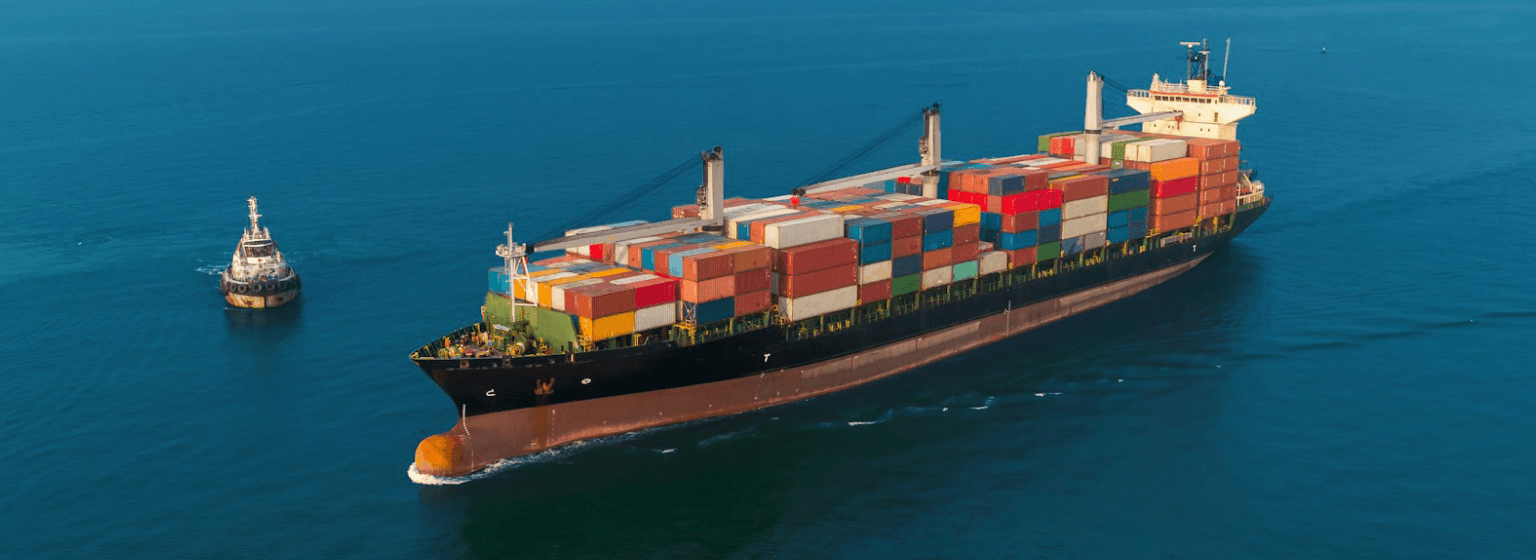
Packaged vessels move directly into container, flat rack, or vessel loading.
Lightweight protection for shorter transit or storage.
Enclosed crates built to export grade and ISPM-15 standards for smaller vessels.
Engineered multi-point support built to the hull's exact shape and weight.
Reinforced crating or framing for larger yachts and superstructures.
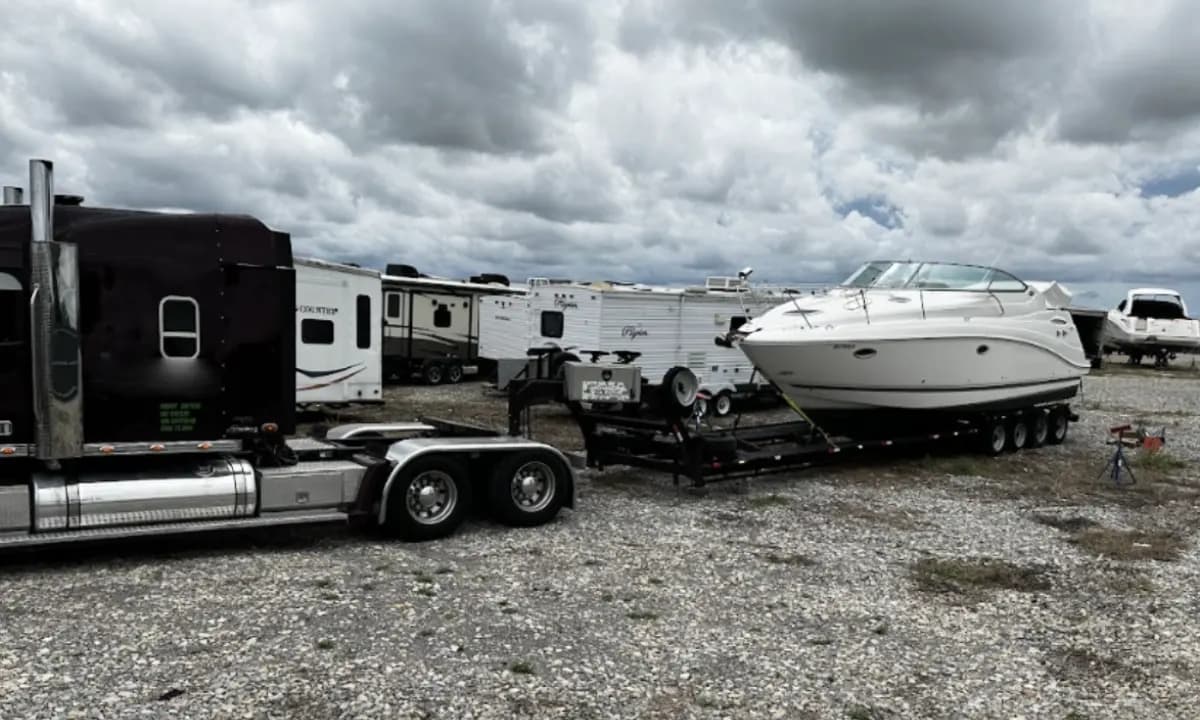
Larger, heavier vessels require more cradle engineering, lumber, and labor to build support that holds up in transit.
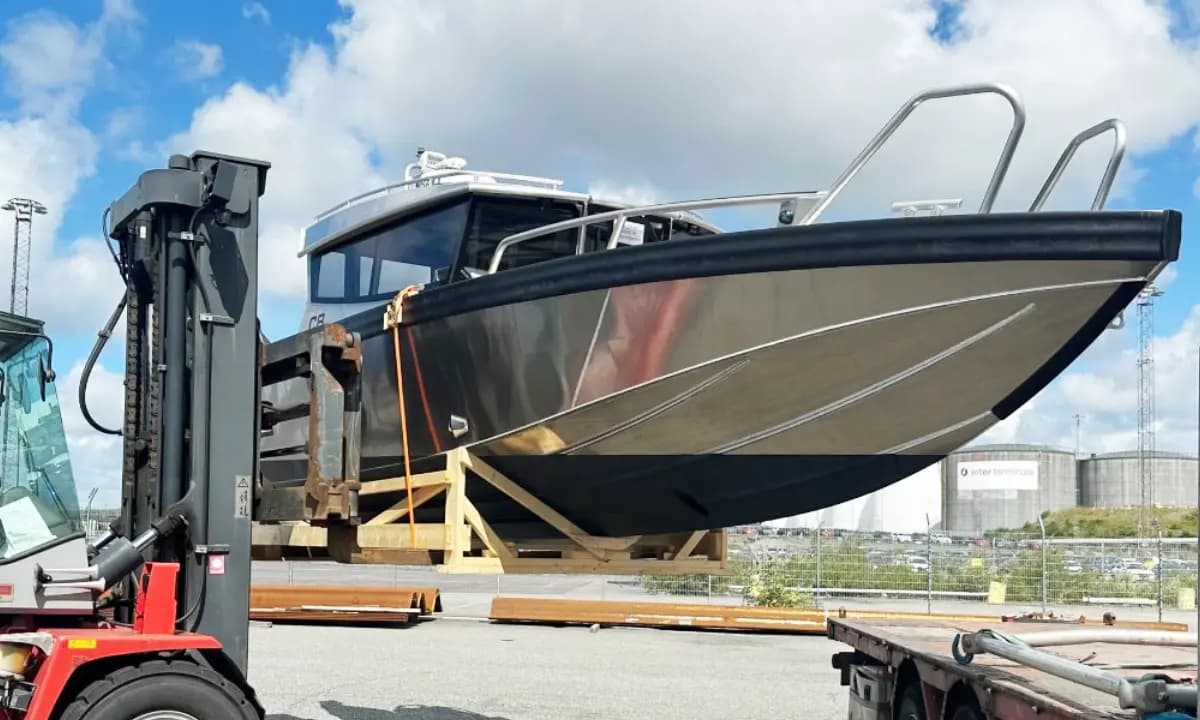
Boat shrink wrapping services cost less than a fully engineered custom boat cradle or yacht crating services, which require design and construction time.
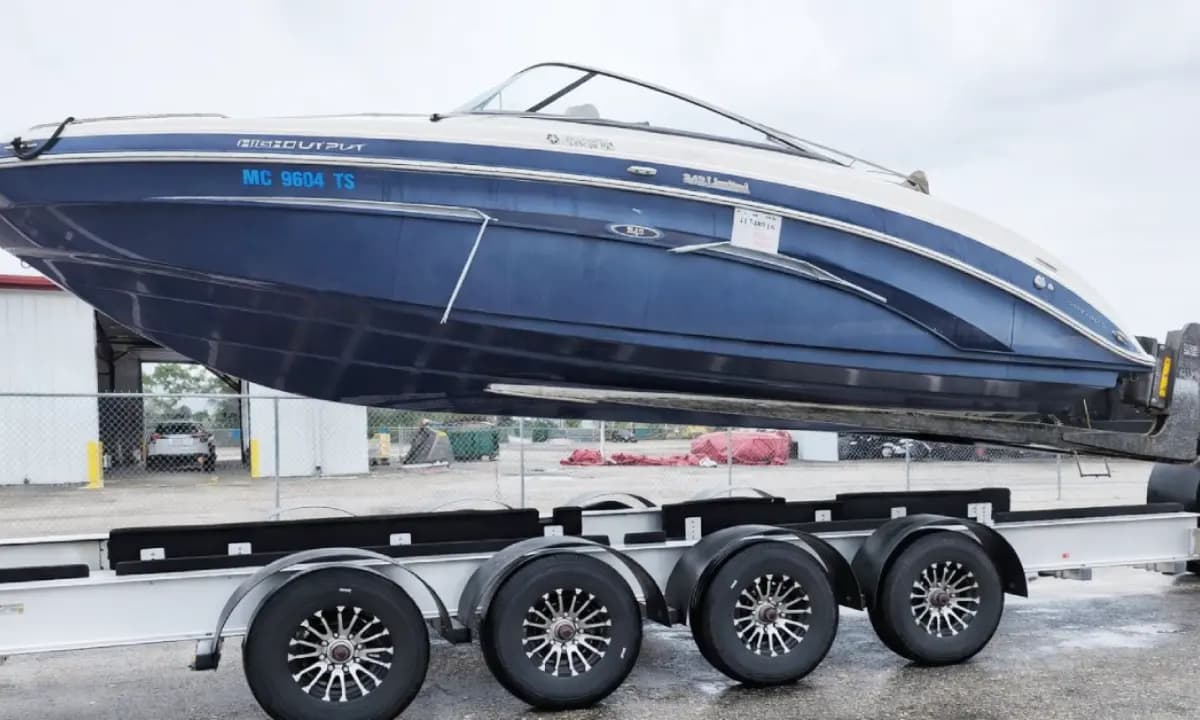
Deep-keel or asymmetrical hulls require more contact-point engineering than flat-bottom hulls.
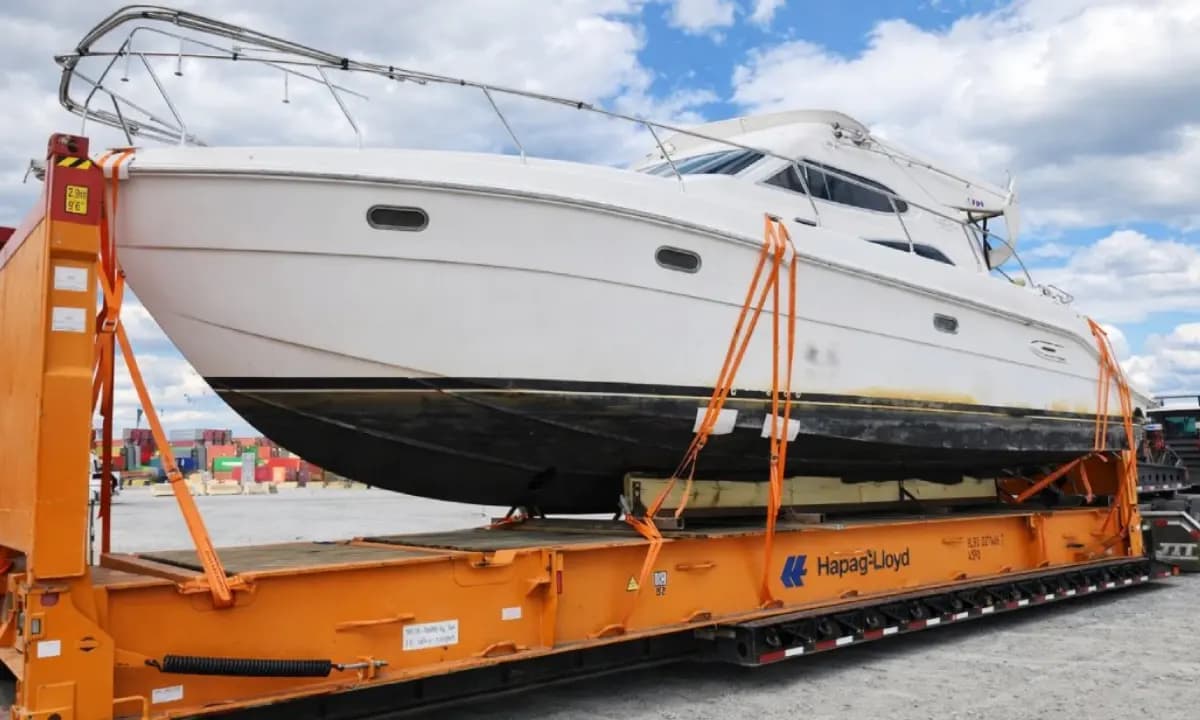
Standard scheduling costs less than expedited cradle builds tied to a vessel booking or pickup deadline.
Share these details and we'll come back with a plan, method, and pricing.
A short first step — photos and technical files can be requested after submission.
Vessels are received and staged at our Houston operations hub before cradle fabrication and packing begin – whether arriving by trailer, travel lift, or carrier. Once packing is complete, cradled and packaged vessels move directly into storage, container or flat-rack loading, or carrier pickup – without re-engaging separate contractors.
Inbound delivery is logged and inspected on arrival.
Vessels and cradle materials stay staged on-site for the full duration of the project.
Projects move directly into loading, storage, or dispatch without a change in contractor.
Atlantic Heavy Loaders coordinates yacht export preparation services beyond Houston as well.
See what actually happens – from cleaning to loading.
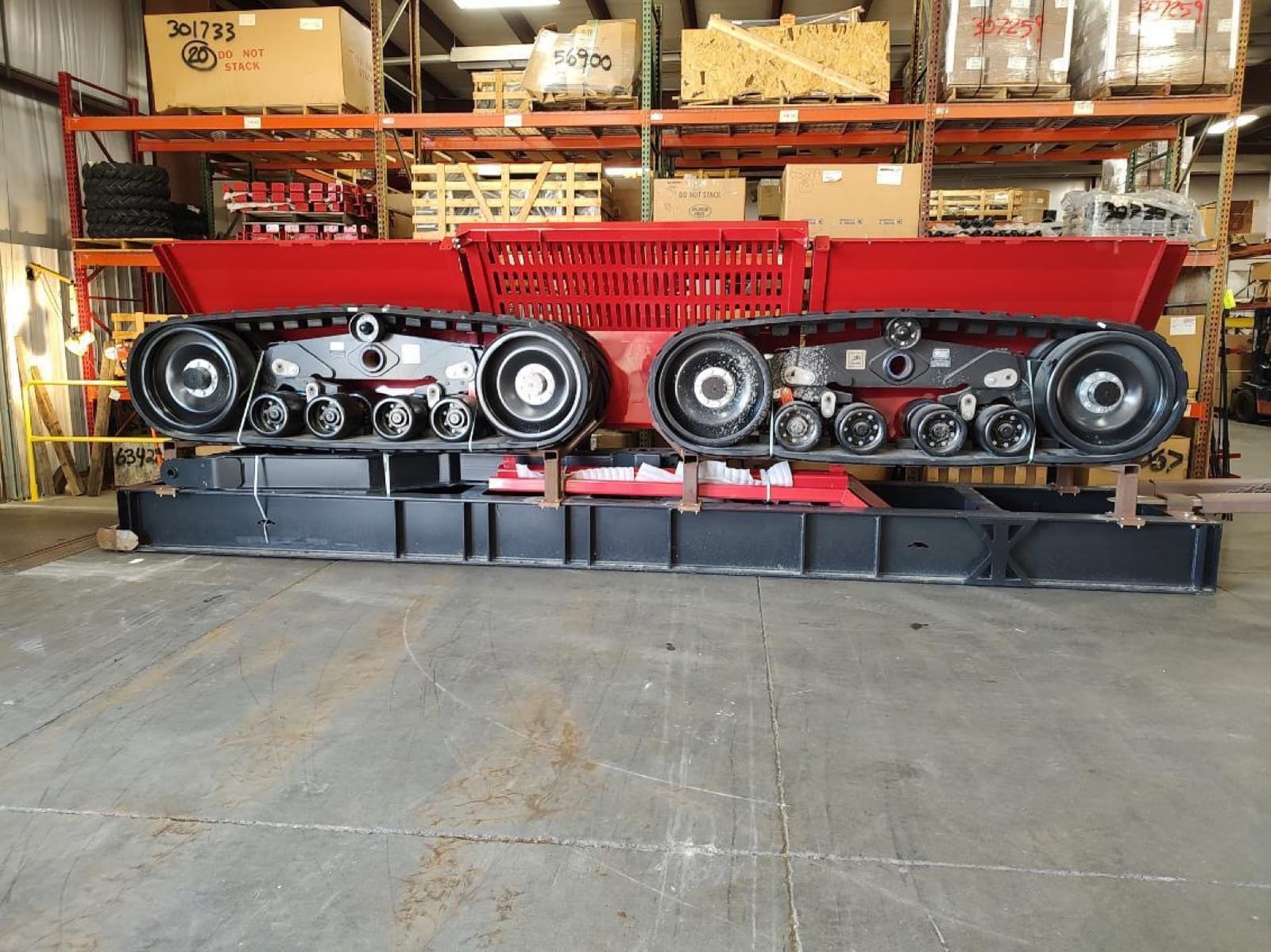
Track undercarriage, main frame, and internal conveyor section separated, protected, and staged in sequence for a full container export load.
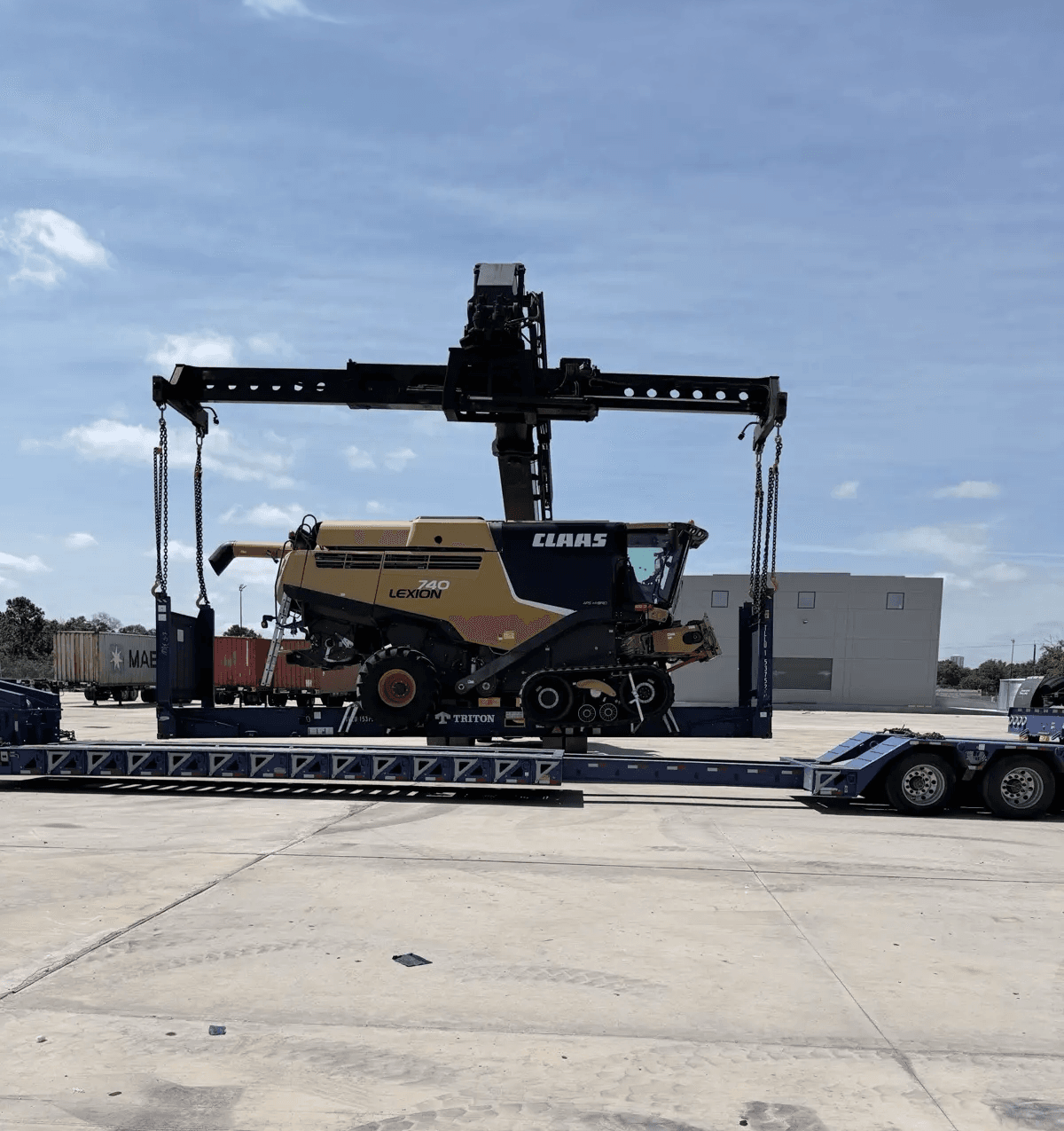
A tracked CLAAS Lexion 740 combine rigged, lifted by reach stacker, and set onto a 40-foot flat-rack container for export.
Full hot-water pressure wash of a John Deere wheel loader with a Martin quick-attach front end — tires, undercarriage, and linkage cleared of soil ahead of inspection.
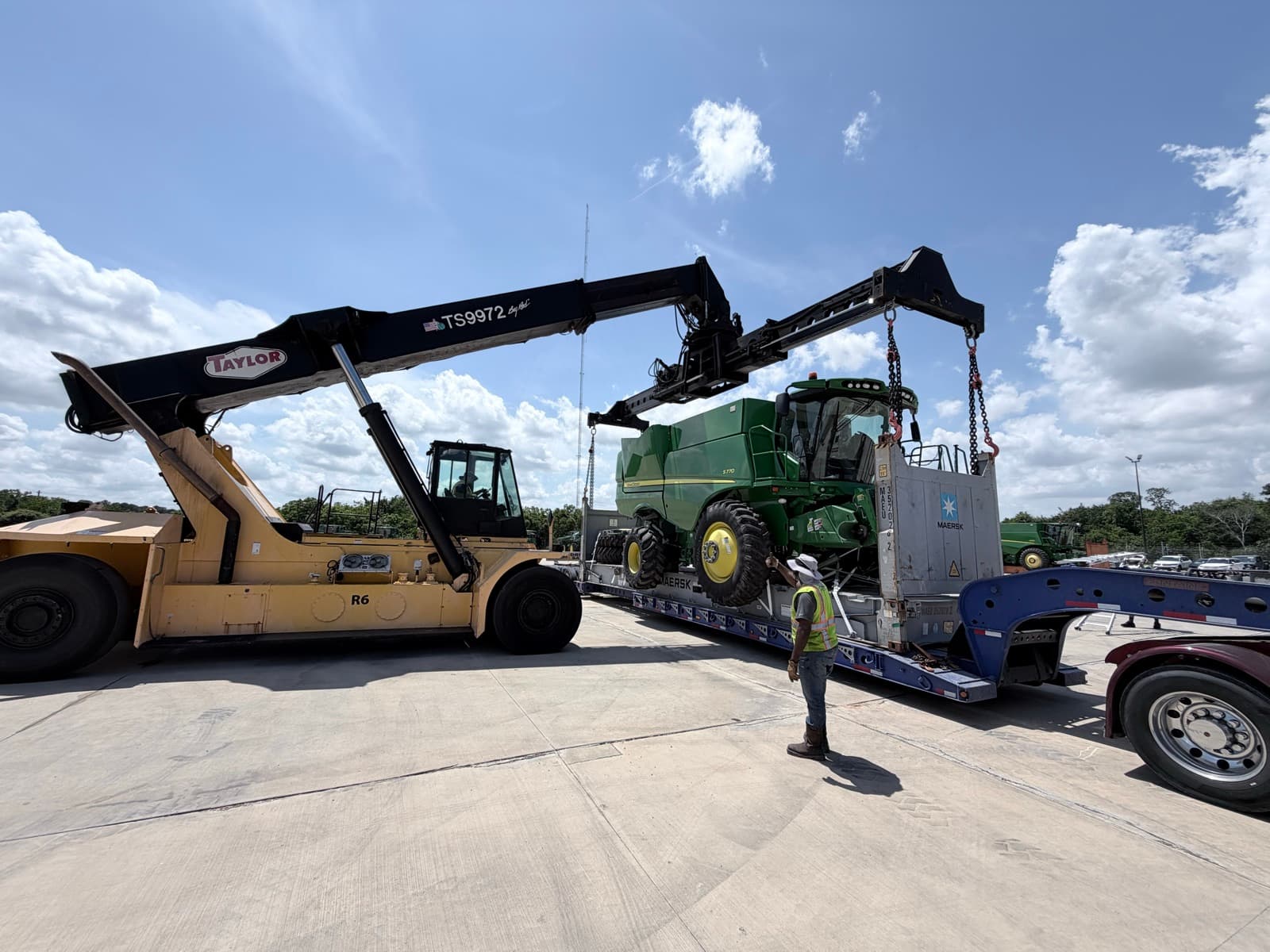
A wheeled John Deere S770 combine rigged on chains, lifted clear of its trailer by reach stacker, and set onto a 40-foot flat-rack container for export.
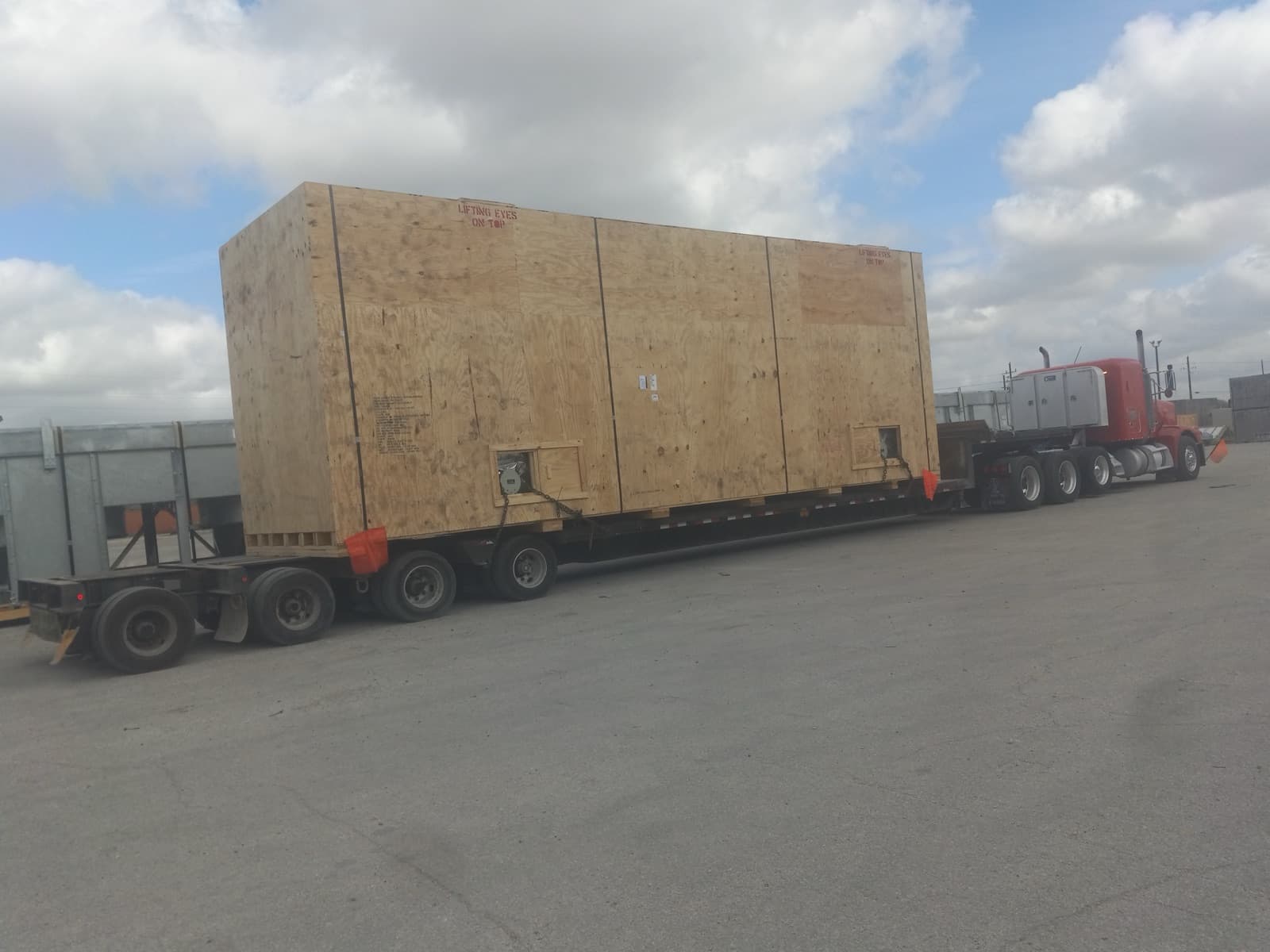
A multi-crate turbine-driven compressor package built into oversized export crates, stenciled for handling, and staged on spread-axle flatbeds for the next leg of transport.
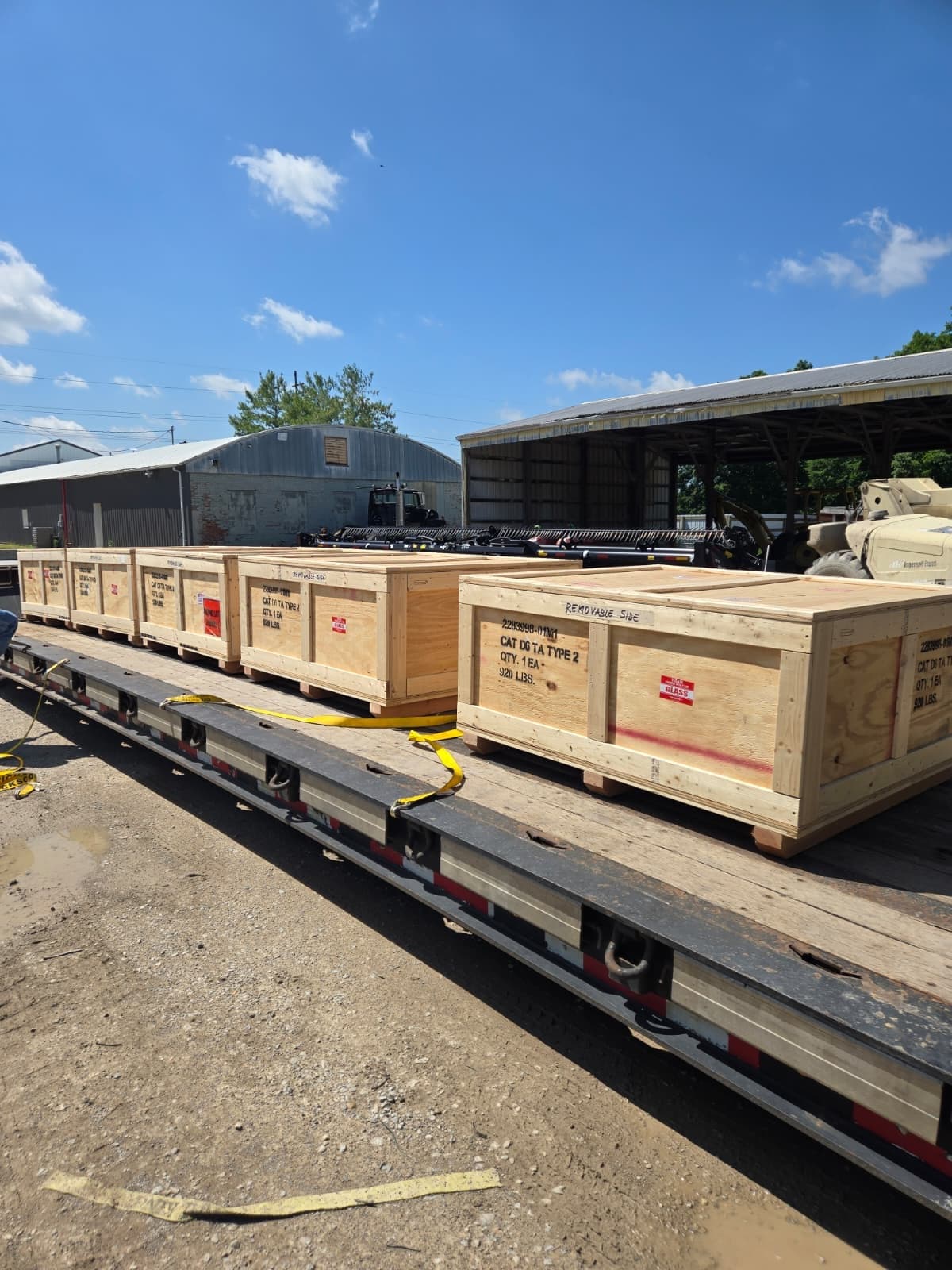
A full set of dozer track assemblies individually crated, labeled, and palletized, then staged on a flatbed trailer for pickup.
A custom boat cradle supports the hull at engineered contact points based on its shape and weight; a crate fully encloses the vessel or its components for handling and shipment.
Once your vessel is cradled, crated, and export-ready, Atlantic Project Cargo (APC) organizes the international transportation to get it where it needs to go.